
Youth Mental Health and Healing: (Not Alone)
Dec 19, 2025
initiative
Seeking
Action

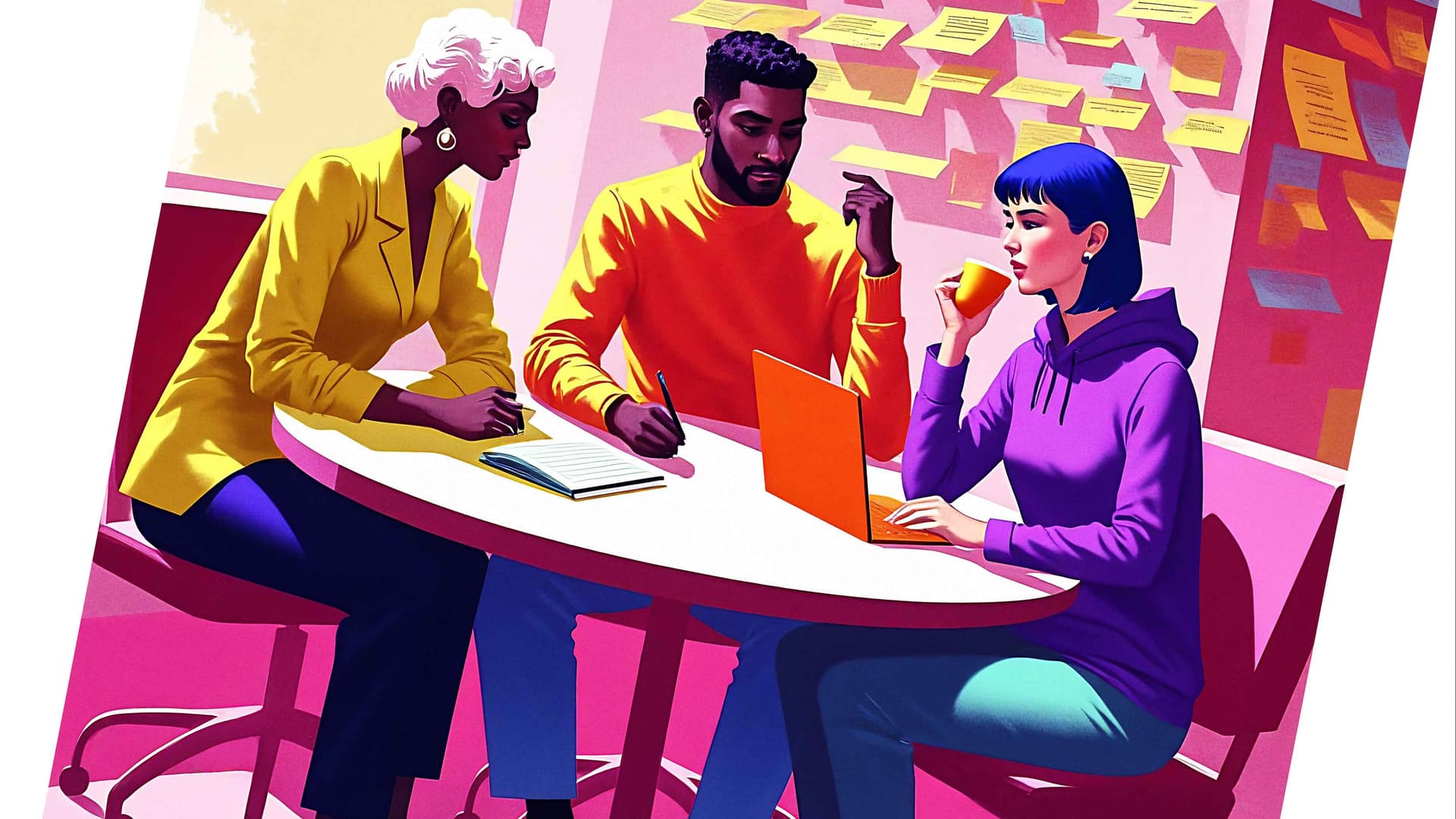
Impacting young people globally who are struggling with grief after losing a loved one, anxiety about school or the future, depression, or suicidal thoughts especially those suffering quietly without anyone to talk to.
This initiative provides a safe space to share experiences, learn coping strategies, access mental health resources, and connect with peers facing similar challenges. It encourages open conversations, reduces isolation, and helps youth understand that seeking support is normal and necessary.
This year has been the hardest of my life. I lost my dad on July 7. He was my best friend, my confidant, and the person who taught me how to face life. The weeks that followed were overwhelming mentally, physically, and emotionally. I found myself struggling with grief in ways I didn’t expect.
The grief and sudden depression became too overwhelming. I was admitted in hospital for about 3 weeks.
Am currently on antidepressants, anxiety medication, and sleeping pills. Am also having sessions weekly with my therapist and psychiatrist.
Some days, the sadness felt too heavy to carry. Grief doesn’t follow a timeline; it comes in waves, sometimes unexpected.
At one point, I felt I couldn’t cope.
I attempted to end my life, overwhelmed by loss and isolation.
I woke up in HDU, surrounded by nurses and machines, alive but shaken. That experience forced me to confront my grief and understand something essential, I was not alone. There are people, professionals, and communities ready to support you when you reach out. My family has been very supportive.
It is from this experience that this initiative emerged.
I know how isolating mental health struggles can feel especially for young people. Often, we feel like we must put on a brave face. We worry our pain is too much or too little to share. We fear admitting struggles will be seen as weakness. It is not. Grief, depression, anxiety, and suicidal thoughts are serious and real.
They deserve attention. They do not make us weak but they make us human. This year has broken my heart, seeing so many young people take their own lives. I now know that I could have been one of them.
This initiative reaches young people who may not know where to turn. Many feel invisible in their pain or believe no one would understand. Some worry sharing struggles will make them a burden. This initiative creates a space where honesty is welcomed, where youth can speak without judgment, and where their experiences are met with empathy.
Sharing your story is not only therapeutic. It will show others they are not alone.
Grief can take many forms. It can be the death of a parent, sibling, friend, or loved one. It can be the loss of a relationship, childhood innocence, or a sense of safety. Anxiety may come from school, uncertainty about the future, family pressure, or social expectations.
Depression can feel like a heavy weight, making even simple tasks feel impossible. Suicidal thoughts may arise as a way to cope with unbearable pain. All of these experiences are valid and deserve support.
This initiative provides practical tools and emotional support. Youth can learn coping strategies such as mindfulness, journaling, routines, and grounding exercises to create moments of stability. It also guides them on how to reach out to professionals, speak to trusted adults, and access local and global mental health services. Knowing help exists can be life saving.
Peer connection is another focus. Hearing from others with similar experiences reduces isolation and creates belonging.
Youth are encouraged to share their stories not as a measure of strength, but to acknowledge experiences and find solidarity. Each story becomes part of a larger narrative that says: you are not alone, and your experiences matter. I have shared mine on my profile.
The initiative normalizes conversations about mental health.
Topics like grief, depression, anxiety, and suicidal thoughts are often silenced, creating stigma. By speaking openly, sharing resources, and encouraging dialogue, we can create a culture where mental health is taken seriously and youth feel supported rather than judged.
Healing is not linear. Some days feel better than others. Some weeks may feel overwhelming again. That is normal. Grief and mental health challenges are ongoing.
Youth are encouraged to be patient with themselves, seek help when needed, and practice self-compassion. Healing is a series of small steps, and every step counts.
Through this initiative, I hope to reach youth globally across countries, cultures, and communities because mental health struggles do not discriminate. Providing a shared platform for experiences and strategies fosters global solidarity and reminds youth that their struggles are seen and understood.
Emotional literacy, understanding, expressing, and managing emotions is central to this initiative. Many youth struggle because they haven’t been taught it’s okay to feel deeply or ask for help.
Guided conversations, workshops, and storytelling will encourage youth to explore emotions safely. Emotional literacy is essential for navigating grief, anxiety, and depression and is a key step toward long-term well-being.
This initiative is personal to me. Losing my dad showed me how fragile emotional well-being can be when support is limited. It also showed me the importance of speaking honestly and creating spaces where young people feel safe to be vulnerable.
By sharing my journey the struggles and steps toward healing, I hope to help youth feel less isolated and more empowered to seek help.
Finally, you are loved, and you matter.
This initiative reminds youth it is okay to speak up, seek help, and connect with others who understand. Together, we can break isolation, reduce stigma, and support each other through life’s hardest moments.
- Youth
- Our Impact
- Stronger Together
- Moments of Hope
- Survivor Stories
- Caring for Ourselves
- Global