
WHEN THE RIVER LEAVES ITS BANKS: LESSONS FROM RIVER SIO
Nov 14, 2025
first-story
Seeking
Encouragement


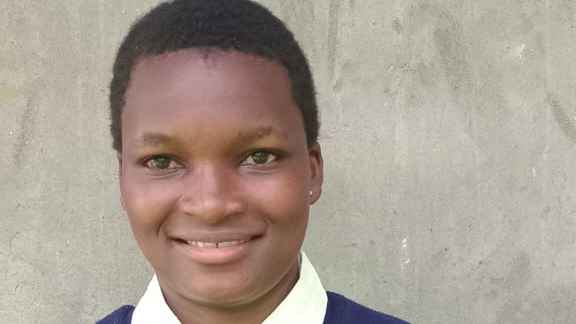
I live in Esidende village found in western Kenya, near River Sio, a winding waterway that begins in the Bungoma plains and stretches all the way to Lake Victoria, in Budalang`i. For much of the year, the River is a calm presence, sustaining farmers with water for their crops and families with fish for their tables. But when the heavy rains arrive, the river swells beyond its banks. It`s muddy waters spill into villages and farms, carrying away crops, damaging homes, and leaving families in fear of the next flood.
During these times, something unusual happens. Fish leap out of the overflowing waters, stranding themselves on flooded fields and along the riverbanks. Children dash to catch them, laughing as if it were a game. For a moment, the floods look like a gift from nature, delivering food straight to our hands, but the truth is harsher. For the families whose homes are submerged, for the farmers whose crops are destroyed and for children who miss school because of a broken bridge, the river`s floods bring far more loss than gain.
As a child, I thought this was simply the river`s nature. Elders spoke of floods as inevitable and catching stranded fish seemed like a tradition as old as the river itself. But as I grew older, I noticed something different. He floods were becoming more frequent and more destructive. People in Budalang`i spoke of how, in the past, River Sio only burst its banks once in many years. Now, heavy rains almost always mean flooding. Climate change has altered the rhythm of the river, and our community is living with the consequences.
At St.Cecillia Girls` High School where I learn, I often connect with schoolmates whose families also live along the banks of River Sio or near its tributaries. Their stories resonate my own: flooded homes, lost harvests, or nights spent in evacuation centers. For us climate change is not an abstract topic in a textbook, it is the backdrop of our childhood. Last year, the floods took an even heavier toll. We lost a schoolmate to the rising waters. Her absence still lingers in our classrooms, a painful reminder that the effect of climate change are not distance headlines; they are personal, immediate and devastating.
This loss made me realize something important, that while climate change is caused by global forces, its impacts are carried by individuals, families and communities like mine. What troubles me most is that many still see these floods as ordinary misfortunes rather than part of a bigger
pattern. Without understanding climate change, people attribute the destruction to fate or bad lack. But ignorance comes at a cost. If we do not recognize the problem, how can we prepare for it? Climate education, I have come to realize, is just as vital as dikes, emergency shelters or drainage canals.
Education gives us power to see the floods not as isolated disasters, but as signs of a changing climate. It allows us to build the connection: the deforestation upstream that makes flooding worse, the rising global temperatures that disrupt rainfall pattern and the need for adaptation strategies in our villages. With this knowledge, resilience becomes possible. I have seen little education on climate change making bigger difference in my community. When local organizations came to our area to talk about climate change, farmers began trying drought- resistant crops and improving draining in their farms. I shared lessons with our families, explaining why planting trees along the riverbanks could reduce soil erosion and flooding. Even small Action like understanding how to store food safely during floods helped protect households from hunger. Each new piece of knowledge became a tool, a shield against the river`s growing unpredictable.
For me, the story of River Sio is more than a local tale. It’s a reminder of how global problems reach into the daily lives of ordinary people. A river that starts in the Bungoma plains and ends in Lake Victoria is now a classroom where climate change teaches its harshest lessons. But if the river can teach us through destruction, we can teach each other through education.
Today, when I watch children chase fish during floods, I no longer see just a game, I see a message: The River is telling us that the balance between people and nature is shifting. Whether we treat that message as a warning or an opportunity depends on how much we understand, and how willing we are to act. Climate change may feel overwhelming, but stories like that of River Sio remind me that resilience begins with knowledge. If every child in my community learned not just to catch fish from floodwaters but to understand why those floods happen, we could turn vulnerability into strength. Education is the bridge between fear and preparedness, between loss and resilience.
The river will continue to flow, from Bungoma`s plain to Lake Victoria. What changes is how we, the young people growing up along its banks and learning together in schools like St. Cecilia, respond. We are not powerless. With education, we can make sure the next generation does not only inherit the floods, but also the wisdom to face them.
- First Story
- Africa