
We Must Not Look Away: Why HIV/AIDS Still Needs Our Voice Today
Dec 1, 2025
story
Seeking
Action

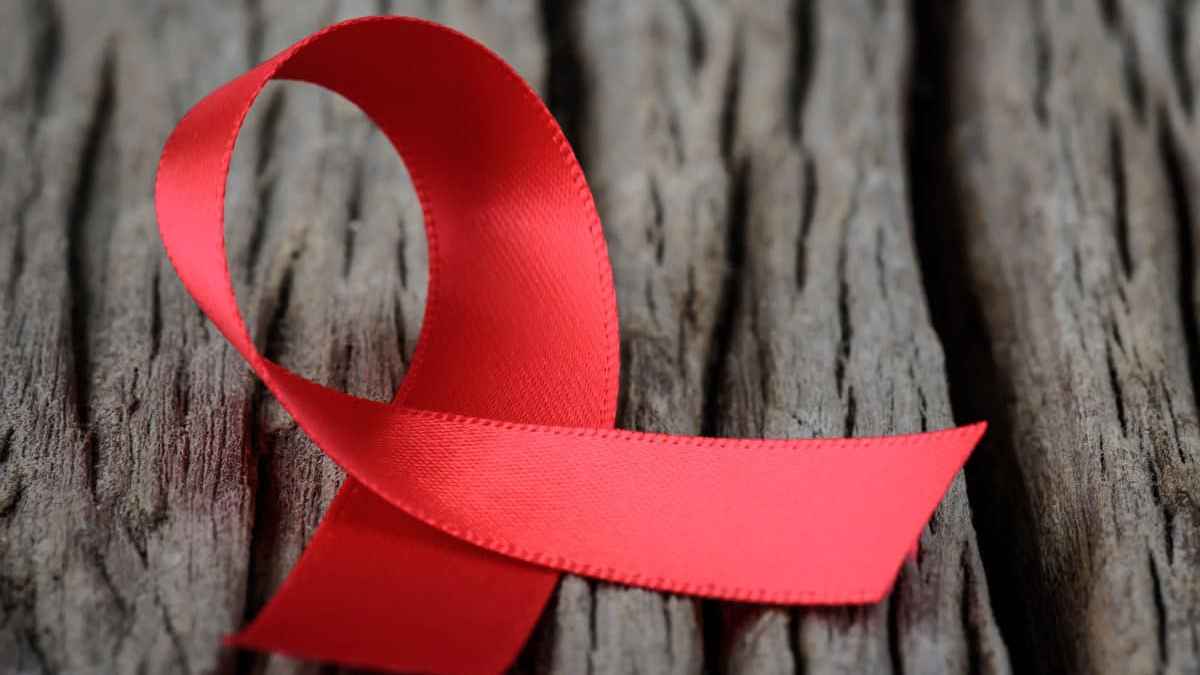
Today, we light candles to remember the millions of lives the HIV epidemic has claimed. However, remembering cannot remain just a ritual. Behind every statistic is a precious life - a brother, a son, a daughter, a neighbor. HIV/AIDS has not gone away, we have simply stopped talking about it. Sometimes, I fear our silence is more dangerous than the virus itself.
For the last couple of years, global progress has surely been life-saving. The number of HIV/AIDS related deaths has fallen significantly. Millions of people are alive today because of antiretroviral therapy (ART). It is true that treatment is more accessible and mother-to-child transmissions have drastically reduced in many countries. Communities have done incredible work. However, this progress is still fragile.
According to the latest Global HIV & AIDS Fact Sheet prepared by UNAIDS, 40.8 million people were living with HIV in 2024 and there were also 1.3 million new infections registered. About 630,000 people died of HIV-related causes in 2024 and roughly 9-10 million people still lacked access to treatment. These are not old numbers. They are the present we must face. If you thought the crisis has been averted, the numbers show otherwise. These new infections can only mean prevention efforts are stalling in many countries.
It is important that we do not forget that the HIV toll is not evenly distributed. Women and girls make up over half of the people living with HIV globally and they accounted for over 40% of new infections in 2024. In Sub=Saharan Africa, the burden is even heavier; adolescent girls and young women remain disproportionately affected by HIV. In Uganda, prevalence and new infections persist and young women and adolescent girls are acquiring HIV at significantly higher rates than their male peers.
The sense of forgetfulness could be attributed to factors such as donor fatigue and funding cuts in recent times. After decades of steady international attention, some governments in the West and international organizations may have reduced their financial commitments, or shifted resources to competing crises. This creates service interruptions in testing, prevention efforts, including PrEP and condoms, and community outreach. These are the very interventions that keep new infections down.
Other health emergencies in the recent past added a strain on an already stretched health care system globally. Especially the COVID-19 pandemic. Hospitals and health centers had their resources depleted. COVID-19 disruptions meant that people missed HIV tests and art pick-ups , I mean with lockdowns and all this was expected, and prevention campaigns were put on hold or delayed. These may appear seemingly small interruptions but they come with big consequences.
Stigma is still an issue. Criminalization and discrimination block people from testing and acquiring the treatment they need. When key populations such as sex workers, migrants, and other minority groups are criminalized or excluded, the HIV/AIDS epidemic quietly persists in hidden networks.
There's a lingering complacency that creeps in where treatment is available, in that some people may assume the crisis is over. They forget that treatment is prevention only if people can access it and stay on it. Statistics show that there are still millions that are neither undiagnosed nor retained in care. There are also social and economic barriers such as transport costs, long distances to clinics, fear of judgement, and lack of privacy make it harder for many people to seek testing services or treatment.
Part of the problem is that HIV is no longer the headline it used to be. There was a time when the world spoke about HIV/AIDS with urgency - communities organized campaigns, governments funded massive programs, billboards everywhere, awareness events in every school. But today, other emergencies have taken center stage, as it should be. Prevention programs are being cut. The backbone of HIV outreach, who are the community health workers, are now working with fewer resources and often without the support they require.
Many governments and donors may assume the crisis is handled. But the truth is the crisis is only quieter, not smaller. And silence is dangerous.
One of the most painful truths is how heavily HIV continues to affect women and girls. Think about that. Young women and girls, with all their dreams and plans are still at the highest risk simply because of their age, gender, and social realities. This is not a statistic we should ever normalize.
If HIV campaign has gone quiet, then maybe we as writers, activists, mothers, youth, health workers, online communities need to make noise again.
Here's what we can push for:
We can bring HIV conversations back into everyday life. For instance, talk about testing for HIV the way we talk about checking for blood pressure or getting a dental check-up. Normalize it. Encourage family members, friends, partners to know their status.
We can demand accessible and fully funded health services. When our leaders think HIV is no longer a priority, they direct funds elsewhere. We must speak up and ask, "Where is the budget for HIV prevention programs?" Silence is consent. We cannot afford silence.
We can promote HIV self-testing and community clinics. Self-testing kits can be a game-changer. They would give people the privacy they crave, control, and comfort. Community-led clinics can reach the people traditional healthcare often misses.
We can support interventions like PReP, condoms use and providing accurate information about HIV/AIDS. These tools work. Period. But only if people can access them , and trust them.
We can fight stigma, every single time. Stigma can manifest in many forms. Sometimes it is as small as a joke, a whisper, or a judgmental question. It stays on people's mind long after the words fade. Stigma kills confidence. It kills the willingness to test and kills people's hope. We must challenge it, gently but firmly.
We can use our voice, especially today. Write. Share. Post. Talk. Tell stories that remind the world that HIV/AIDS is not over.
Here are some questions to reflect on:
When was the last time you took an HIV test and what emotions came with it?
In your community, what makes it harder for people to go for testing?
What local groups, organizations, clinics or communities are doing amazing work but need visibility, resources, or volunteers?
How can women and girls be better protected, supported, or educated?
These are the conversations which open doors.
On this World AIDS Day, we honor those we have lost.
But we also honor the living by refusing to look away.
HIV is still here.
Our voices must be too.
- Health
- HIV/AIDS
- Global