
Unlearning Harmful Narratives in Rural Classrooms
Feb 16, 2026
story
Seeking
Visibility
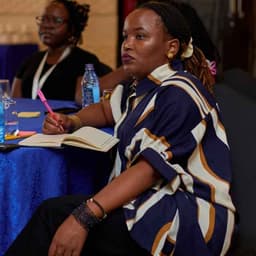

This month, I have been facilitating the Health & Wellness unit under the Binti Shupavu mentorship program in rural Kenya.
We are discussing sexual and reproductive health and rights, consent, gender justice, and abuse with girls in Year 3 and Year 4.
One session shifted something in me.
I asked the girls whether they had ever heard of cases of abuse in their communities. One scholar shared the story of a Grade 4 child who had been sexually abused by an adult man. According to the story, the man defended himself by claiming the child was “explicitly dressed” and “looked mature.”
What unsettled me even more was that some of the girls initially agreed with his reasoning.
In that moment, I understood how deeply victim-blaming narratives are rooted in our communities. These beliefs are absorbed early. They are normalized. They are repeated.
So we paused.
We examined the statements critically. We discussed the law in Kenya: a child under 18 cannot legally consent. We talked about what consent truly means. We clarified that clothing does not cause abuse. We affirmed that responsibility always lies with the perpetrator. We repeated, together, that abuse is never the victim’s fault.
I watched perspectives shift in real time.
This is why safe spaces matter.
When girls are not given room to question harmful narratives, those beliefs grow into adulthood. They shape how communities respond to survivors. They influence whether justice is pursued or silenced.
Beyond education, my hope is that justice systems across Kenya and beyond continue to strengthen so that survivors of sexual violence are protected and perpetrators are held accountable without excuses.
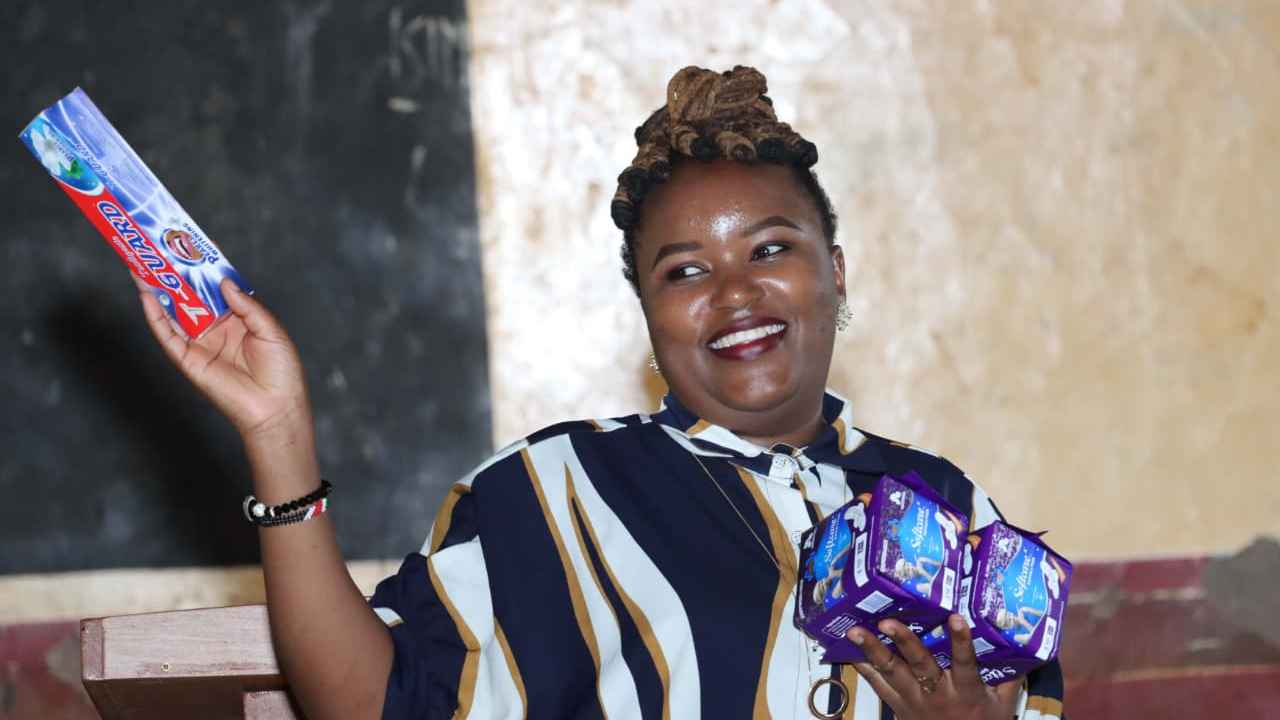
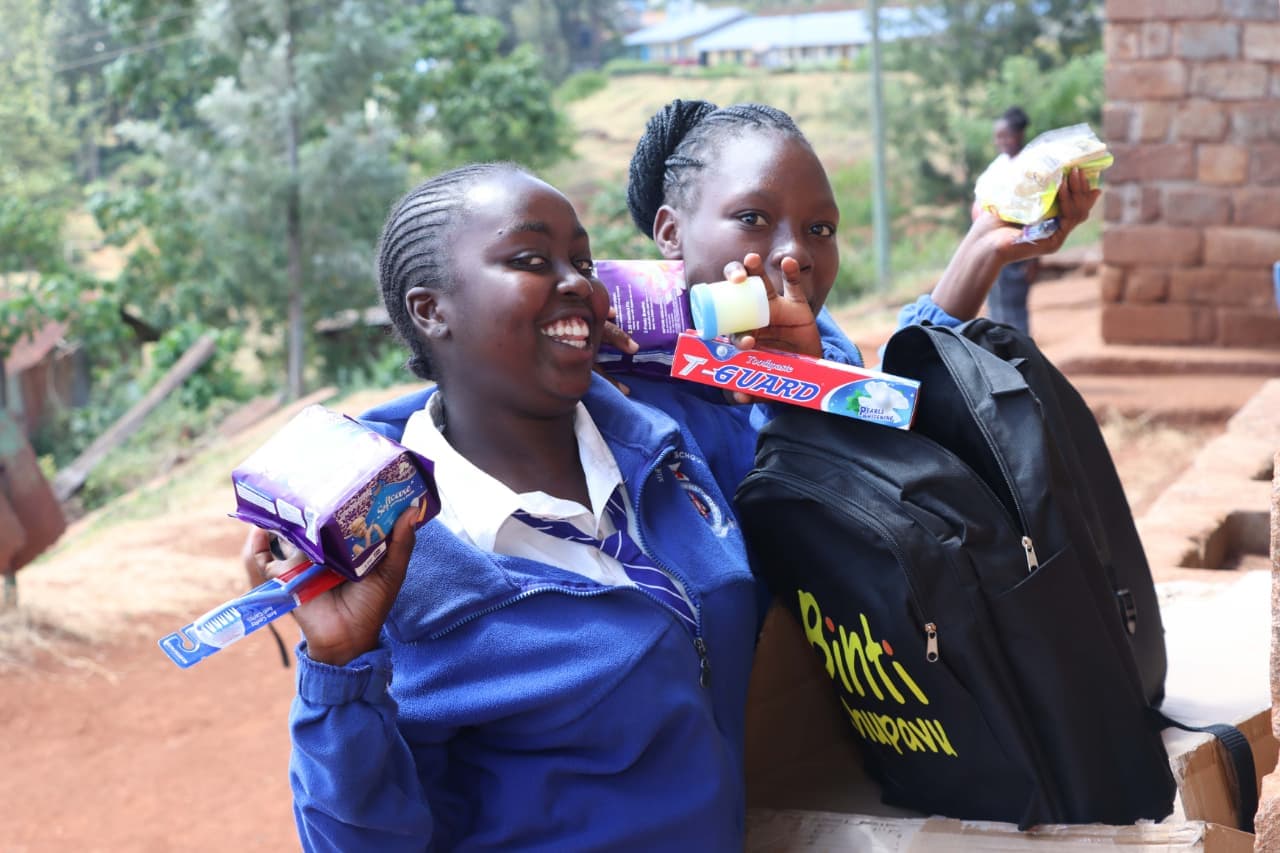
On a hopeful note, we also distributed dignity packs during our parental engagement meetings, courtesy of Daring Girls and CWE-TECH. Each girl received a backpack with hygiene essentials and menstrual supplies. Access to menstrual products may seem small, but it directly impacts school attendance, confidence, and dignity.
For me, empowerment is both conversation and provision. It is challenging harmful beliefs while ensuring practical support.
I am grateful to mentor in a space where girls can speak, question, unlearn, and grow.
And I remain hopeful that the next generation will reject narratives that excuse violence and instead build communities rooted in justice and dignity.
- Girl Power
- Human Rights
- Education
- Moments of Hope
- Sexual and Reproductive Rights
- Salud menstrual
- Global