
The Resilient Harvest: A Story of Hope and Change in Shinyalu Sub County
Feb 2, 2026
story
Seeking
Collaboration
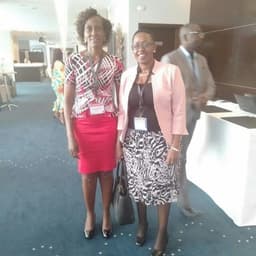
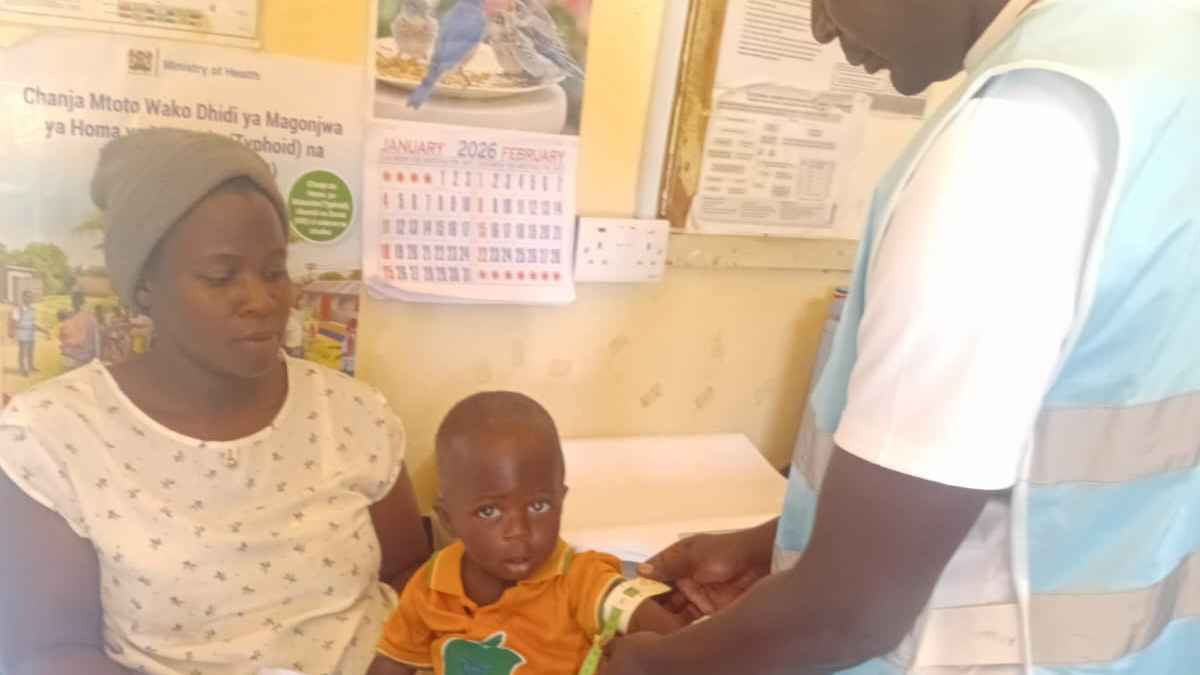
Photo Credit: Kristine Yakhama
In the heart of Western Kenya, where the lush hills roll gently beneath the equatorial sun, there is a place called Shinyalu Sub County. It is a land rich in culture, history, and soil that has fed generations. But in recent years, a quiet storm has clouded its skies, as the community faces a crisis that threatens the future of its children.
Shinyalu’s story is one of both struggle and resilience. For many years, the region’s most vulnerable—mothers and children—were supported by external aid from development partners. Ready-to-Use Therapeutic Food (RUTF) and Fortified Flour (FTF), rich in essential nutrients like Vitamin A and protein, were lifelines that helped ensure the survival and development of children in their most critical years—the first 1000 days of life. But now, the aid has stopped.
Government support has been limited, leaving a gap that has caused widespread concern. Sweet potatoes, once a steady source of vitamin A, are no longer enough. Protein, crucial for brain and body development, is scarce. Without the safety net of external aid, families in Shinyalu are left to find new solutions, and fast.
This is where the Good Health Community Programmes and their Nurses on Wheels initiative come in. It is a beacon of hope, shining brightly against the backdrop of uncertainty. Like the steady heartbeat of a mother cradling her child, these nurses have become the pulse of the community, carrying life-saving knowledge to remote corners of the county. But this time, the challenge is different. Instead of simply distributing aid, they are teaching mothers the tools to feed their children using local, sustainable foods. They are not just giving fish; they are teaching how to fish—how to grow, prepare, and serve nourishing meals made from the land around them.
The first 1000 days of a child’s life—starting from conception and lasting until the child’s second birthday—are the most crucial for brain development and overall growth. During this period, a child's brain grows at an astonishing rate, shaping cognitive abilities and laying the foundation for intelligence, motor skills, and emotional resilience. The effects of malnutrition at this stage are profound and irreversible.
Children who do not receive adequate nutrition in their early years are more likely to suffer from stunted growth and delayed cognitive development. This translates to lower IQs, weaker immune systems, and poorer long-term outcomes in education and productivity. It’s as if a house is being built on cracked foundations—no matter how beautifully the walls are adorned, the entire structure remains unstable. In Shinyalu, these children’s futures are at risk.
But even as the external aid disappears, the community has something powerful at its disposal—its own rich agricultural heritage. Local foods, grown in the fertile soil of Shinyalu, hold the promise of providing the necessary nutrition to safeguard the health of children.
There is the humble sweet potato, its vibrant orange flesh bursting with Vitamin A, a key nutrient for eyesight and immune function. There are millets, packed with protein, iron, and fiber, ideal for energy and muscle development. Beans, peas, and indigenous greens—all rich in essential amino acids, iron, and vitamins—grow plentifully in the region, yet are often overlooked as the community eyes the external aid it once depended on.
The nurses on wheels, alongside community health workers, are now showing the mothers of Shinyalu how to incorporate these local foods into every meal. They teach that these foods are not merely a substitute for the fortified flour or RUTF they once received—they are a return to what nourished their ancestors. Among the mothers in Shinyalu is Beatrice, a young woman whose face tells the story of the land she comes from. Strong, determined, yet filled with quiet worry. When Beatrice first came into contact with the Nurses on Wheels, her baby, David, was frail and lethargic. She had been relying on what little aid she could access, but her heart sank when the food supplies ran out.
"I didn't know what else to do," Beatrice confesses, her voice soft but filled with the weight of a mother’s love. "I felt helpless. I wanted to see David strong, to watch him run and play like other children."
But one day, Nurse Mary, part of the Nurses on Wheels team, visited Beatrice’s village and offered a solution. "You have all the food you need right here," Mary told Beatrice. "You just need to learn how to use it."
With that simple phrase, a seed was planted in Beatrice’s heart. Nurse Mary took her through the basics of meal preparation—how to mash sweet potatoes and pair them with millet porridge. How to cook beans and peas with indigenous greens to create a balanced diet. It was local food, simple and accessible.
At first, Beatrice was unsure. Could this really be enough? she wondered. But as the days passed and David’s health slowly began to improve, Beatrice’s faith grew. David, once too weak to smile, now laughed and played with the other children in the village. "It was like magic," Beatrice says, a radiant smile spreading across her face. "One day he couldn’t even sit up, and then he was running around, full of energy. The food worked."The Nurses on Wheels program has become a lifeline for many in Shinyalu, a source of education and empowerment. It’s not just about distributing food—it’s about making the community self-sufficient, capable of thriving even in the absence of external aid.
The nurses travel across the region, bringing with them not just medicine, but knowledge. Knowledge that empowers mothers like Beatrice to feed their children with what they have in abundance. Knowledge that ensures the next generation of children in Shinyalu will grow up with strong bodies and sharp minds, able to build a better future for themselves and their community.Each nurse, traveling through the winding roads of Shinyalu, is like a sower scattering seeds in fertile soil. They are planting ideas, nurturing hope, and tending to the growth of a healthier generation. The first 1000 days may be fleeting, but the lessons learned during this time are lifelong. Through the work of the Nurses on Wheels and the empowerment of local mothers, Shinyalu has the chance to build a future that is healthier, stronger, and more resilient.
It is not the absence of external aid that will determine the future of Shinyalu—it is the community’s ability to come together, to use what it has, and to nourish its children with the foods that have sustained them for generations. With the right knowledge, local foods can be just as powerful as any fortified flour or therapeutic food that once arrived in packages from distant places.
As the sun sets over the hills of Shinyalu, the community looks towards the future with hope. Like the millet fields that bend but do not break under the weight of the storm, they too will bend in the face of adversity, but they will not break.
Together, they will rise.
- Health
- Food Security
- Global