
PAPUA NEW GUINEA: I Stayed. I Survived. I Built Something Better.
Apr 2, 2026
story
Seeking
Encouragement
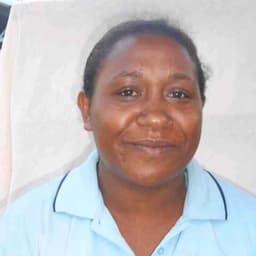

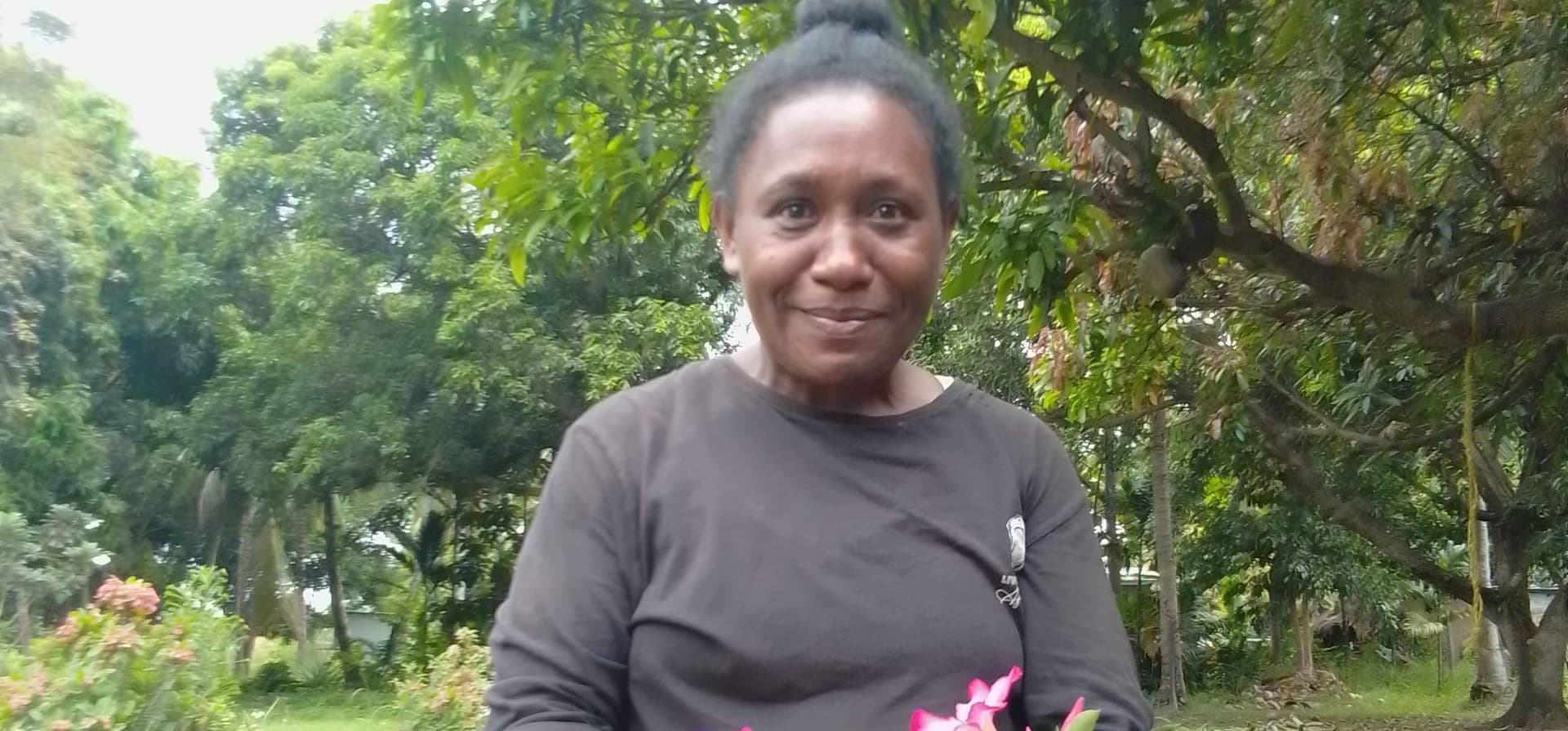
In a community where practices like bride price can reinforce control over women, Elsie Louise Ambrias endured years of abuse. Then she made a decision that would change her daughters' future.
"Peace is not waiting for an abuser to change, but creating safety and strength for myself and my daughters."
I know what it is to live inside gender-based violence. I also know what it takes to build a life beyond it.
Daily, peace is both emotional and practical.
Emotionally, I find peace when I am alone with my four daughters. In those moments, we laugh, share jokes, and speak freely without fear or discrimination. These simple moments remind me of what we have been fighting for all along.
Practically, peace means guiding them toward independence, encouraging them to study hard, pursue careers, and secure financial freedom. I remind them that true peace comes when they can make their own choices without being bound by violence or cultural obligations.
I have also encouraged them to take part in social activities so they can free their minds from the difficulties we face at home. These spaces allow them to grow, connect with others, and imagine lives that are not limited by our circumstances.
My eldest daughter has excelled as a goalkeeper. She has represented Papua New Guinea in the Under-20 Women's Football team, competed in Fiji, and won three consecutive Golden Glove awards. Her achievements remind me that despite everything, opportunities are still possible.
My second daughter has also taken up football. I find comfort in seeing them both thrive beyond our walls, excelling in what they love.
But not all peace comes from what happens outside our home.
When my husband is sober, I feel a sense of calm. In those rare moments, we can talk openly, and I feel safe.
But my deepest joy comes from seeing my daughters succeed. My eldest is now in university, and my second is in secondary school. Their progress is proof that my encouragement has not been wasted, that their future can be different from my past, and that the choices I have made are shaping a different path for them.
In my community, peace is fragile. Violence against women has long been normalized through customs like bride price, which men use as leverage to control their wives. For many women, this creates a cycle that feels difficult to break.
But recently, community leaders introduced by-laws that discourage gender-based violence. These laws have made men realize that beating or verbally abusing their wives carries consequences. As a result, wife beating has decreased, and women feel a greater sense of safety.
It is a shift, even if a slow one.
Still, challenges remain. Alcohol abuse fuels violence, and many women continue to suffer silently. Families often prioritize cultural obligations over women's welfare, leaving survivors trapped. These realities remind me that while progress is happening, it is not yet enough.
My turning point came when I realized my husband would not change. After years of abuse, I sought counselling and protection through Family PNG. That decision shifted my understanding of peace. I understood that peace is not waiting for an abuser to change. It is creating safety and strength for myself and my daughters.
I was not alone in reaching that understanding. Women and girls around me are deeply affected by conflict, insecurity, and violence. Many are silenced by cultural expectations, yet they resist by seeking counselling, supporting one another, and embracing education.
I see women leading change by enforcing community by-laws, standing against gender-based violence, and encouraging their daughters to pursue careers.
Survival is more than enduring challenges. It is transforming pain into empowerment.
If I could speak to global leaders, I would ask them to understand that peace and safety are not found only in the absence of war, but in the daily freedom from violence in our homes and communities.
I would ask them to support community-driven laws that discourage gender-based violence and hold perpetrators accountable.
I would ask them to invest in education for girls, because financial independence is the pathway to freedom. To strengthen counselling and survivor networks so women do not feel alone in their struggles. And to address alcohol abuse and cultural practices that perpetuate violence.
Seeing my daughters grow into independent women, free to make their own choices, gives me peace. That safety is what I want for every woman. I envision my community to be a place where women no longer live in fear, but in dignity and equality.
But peace cannot come while gender-based violence is still treated as normal. It cannot come while women are silenced by culture, by fear, or by the people who are supposed to protect them. Ending gender-based violence is not someone else's work. It starts in our homes, our communities, and in the choices we make every day.
I was silent for years. I am not silent anymore.
If my voice can reach even one woman who is still waiting, share this story.
Listen to survivors. Support the solutions our communities are already building.
Because no woman should have to choose between silence and survival.
This is how we end gender-based violence together.
STORY AWARD
This story was shared as part of the #EndGBV Call for Stories, a campaign by World Pulse's Research and Evaluation Group in partnership with the Imaara Survivor Support Foundation, amplifying the voices of survivors, advocates, and allies working to end gender-based violence.
- Gender-based Violence
- #EndGBV
- Featured Stories
- Global