
NGO Funding Bill 2026 Seeks to Redefine Foreign Aid, Accountability in Uganda
Feb 23, 2026
story
Seeking
Action



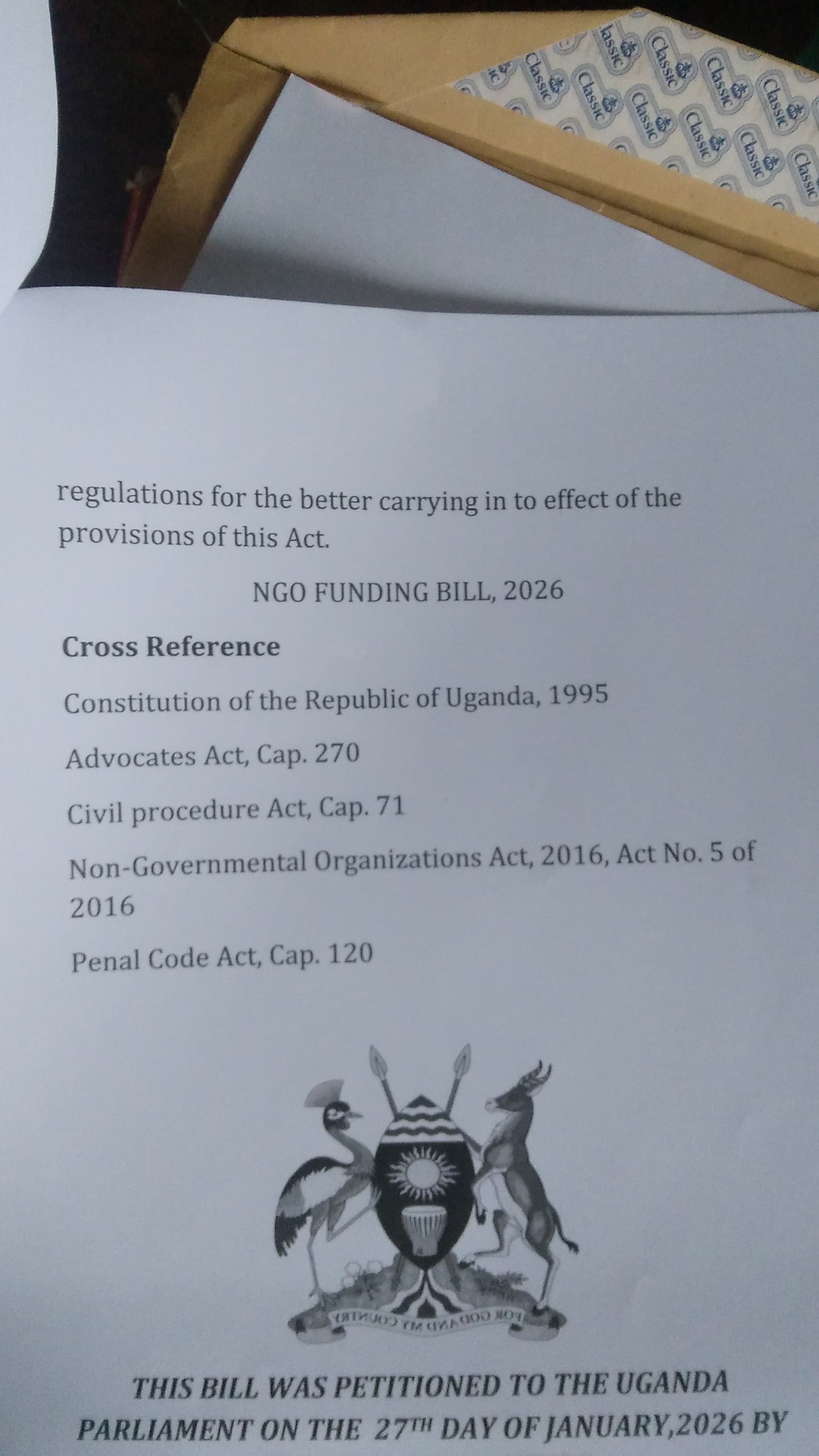
NGO Funding Bill, 2026
KAMPALA — A sweeping new legislative proposal, the NGO Funding Bill, 2026, is poised to significantly alter how Non-Governmental Organizations operate in Uganda, introducing tighter controls on foreign funding, tax reforms, and stricter reporting obligations.
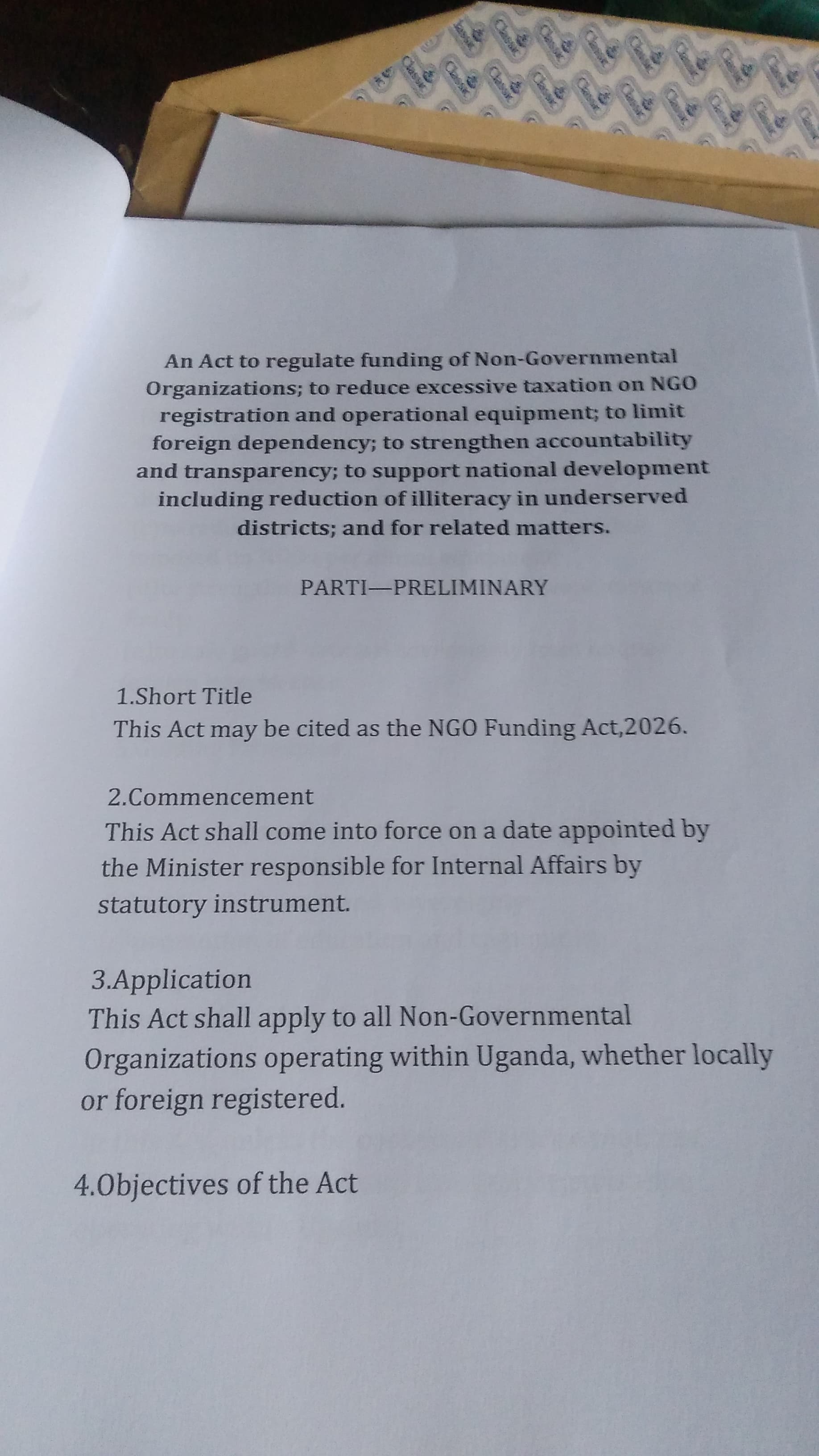
The proposed law, if passed, would apply to all NGOs operating in the country — both locally incorporated entities and foreign-registered organizations — and aims to recalibrate the balance between civil society activity and national oversight.
A Push for Reduced Foreign Dependence
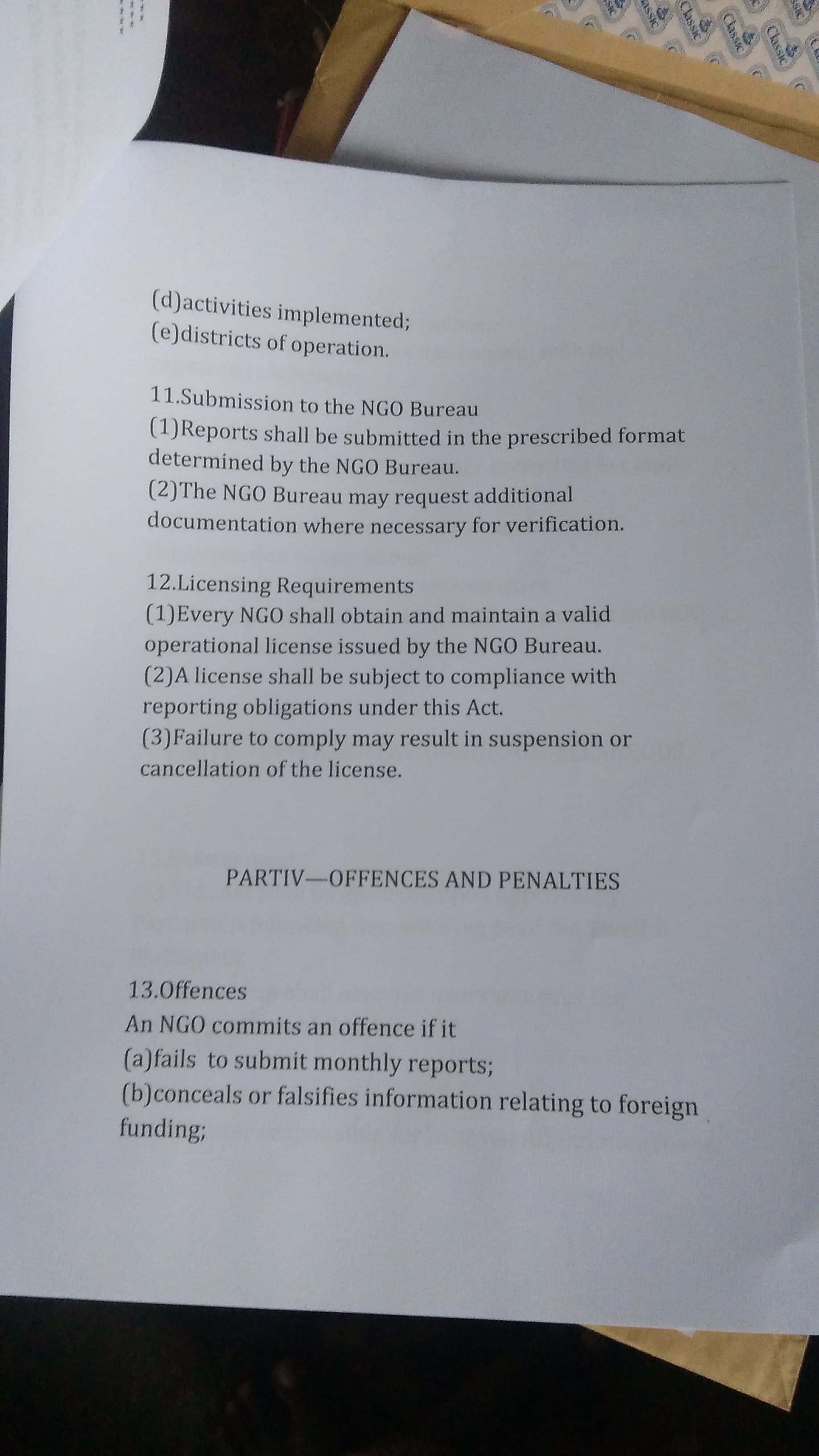
At the heart of the Bill is an effort to curb what lawmakers describe as “excessive reliance” on foreign donors. The draft legislation mandates full disclosure of all foreign funding within fourteen days of receipt, including the source, amount, and intended purpose.
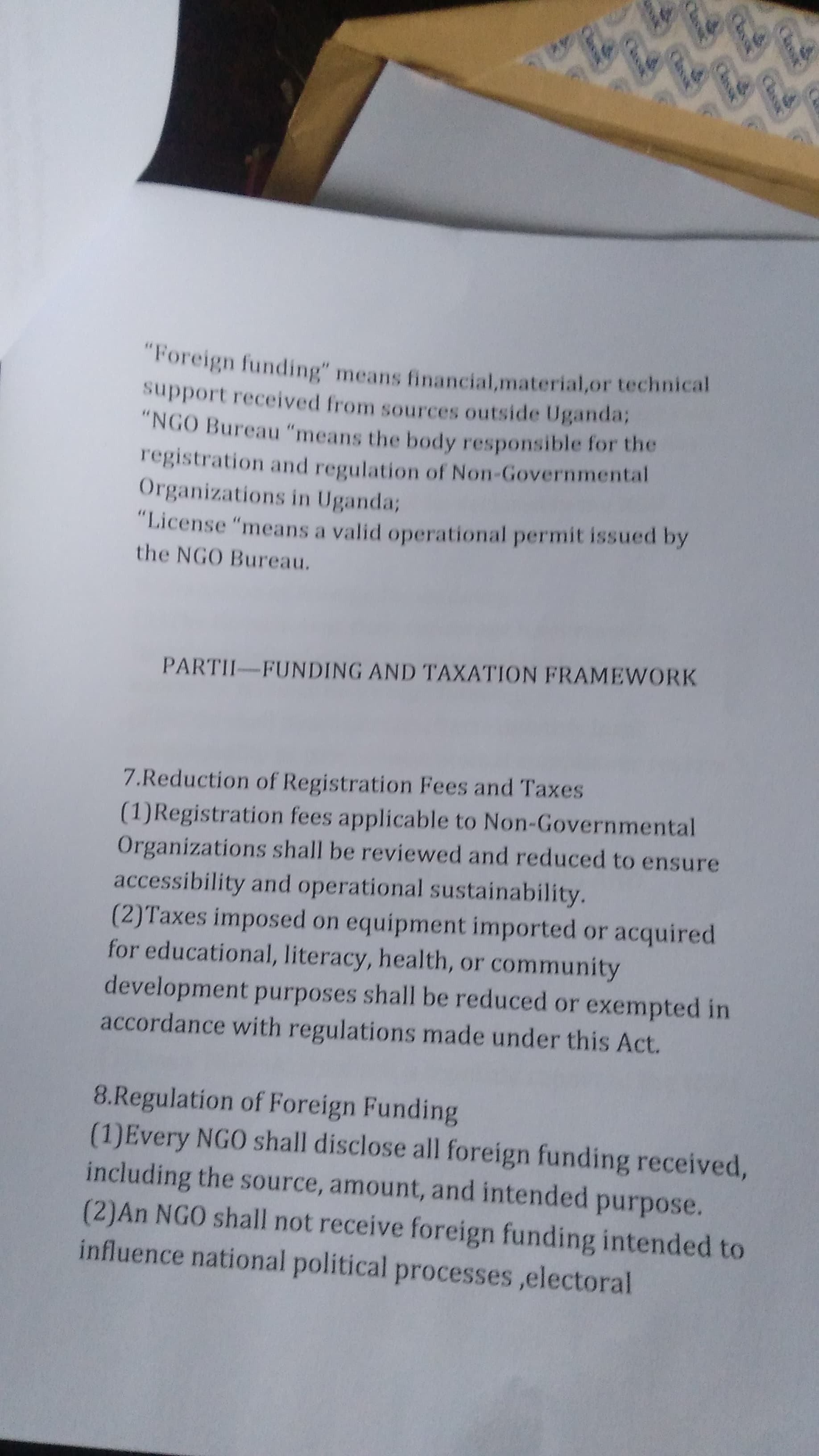
The Minister responsible for Internal Affairs would also be granted powers to set annual limits on the proportion of foreign funding NGOs may receive. Additionally, organizations would be prohibited from accepting foreign funds intended to influence political processes, electoral activities, or undermine national sovereignty.
Foreign funding is broadly defined to include financial, material, or technical assistance originating outside Uganda.
Tax Reforms and Lower Registration Fees
While introducing tighter funding controls, the Bill also proposes financial relief measures aimed at supporting operational sustainability.
Registration fees would be reviewed and potentially reduced. Furthermore, NGOs importing equipment for education, literacy, health, or community development could qualify for tax exemptions or reductions under regulations established by the Act.
Supporters argue that these measures would especially benefit smaller, rural-based organizations that often struggle with high compliance and operational costs.
Monthly Reporting Requirements
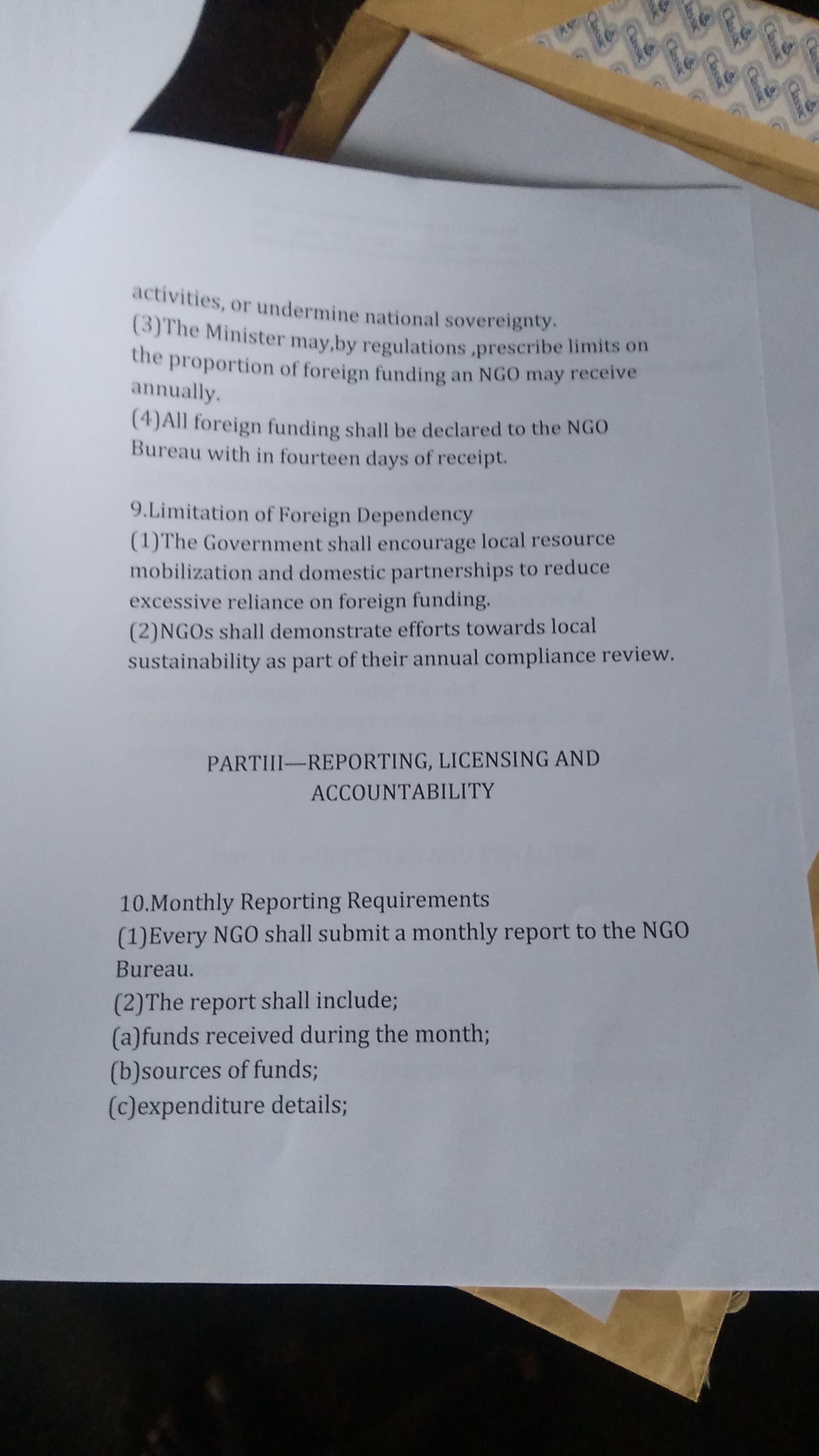
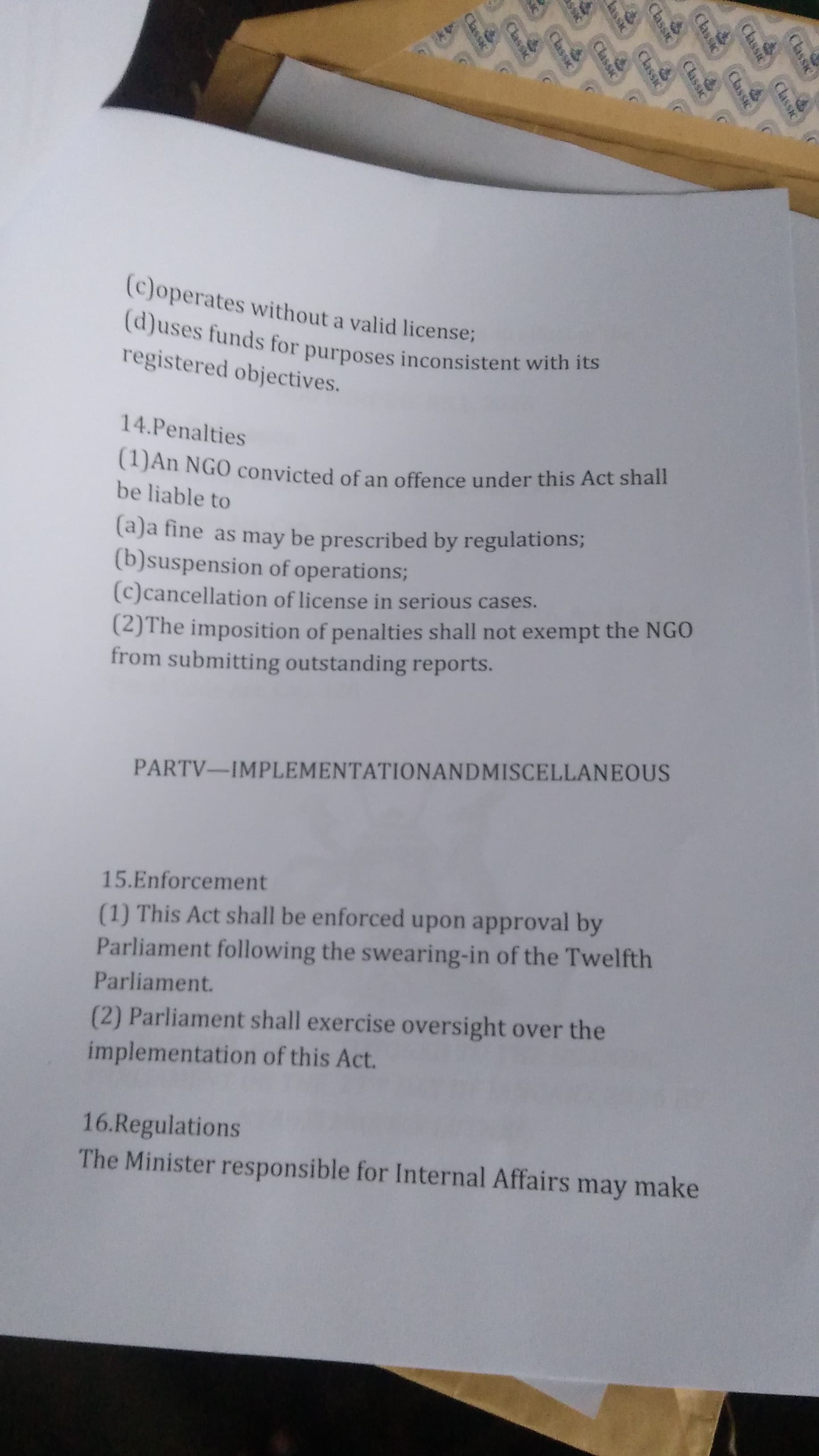
Under the proposed framework, NGOs would be required to submit monthly financial reports to the NGO Bureau. These reports must detail funds received, funding sources, and itemized expenditure records.
Licensing requirements would also be reinforced, with NGOs required to maintain valid operational permits issued by the Bureau.
Debate Over Oversight and Independence
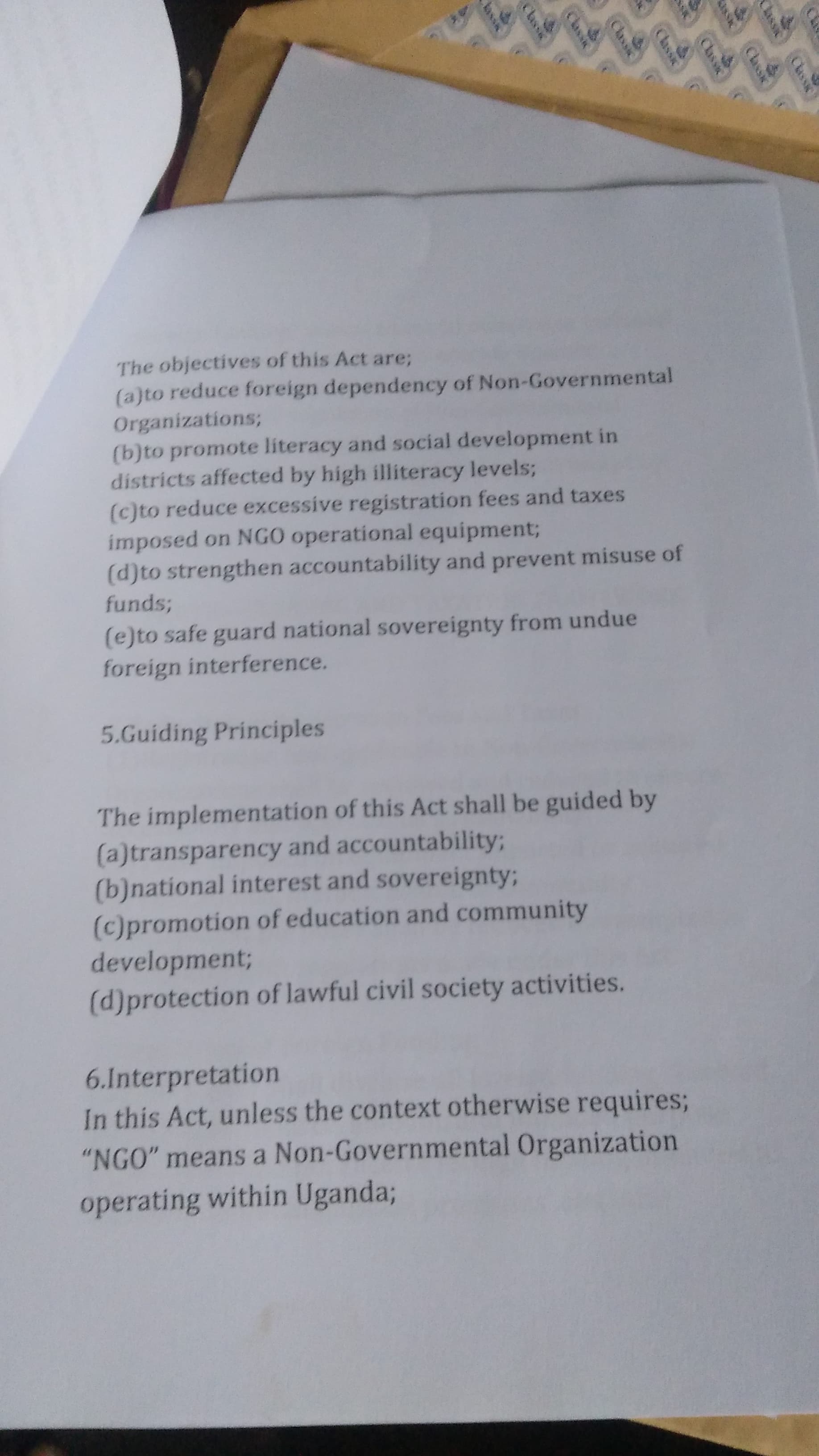
Proponents say the Bill strengthens transparency, safeguards national interests, and promotes education and development in districts affected by high illiteracy rates.
However, critics are expected to question whether funding caps and expanded ministerial powers could restrict civil society independence.
As discussions advance, the Bill is likely to ignite extensive debate among lawmakers, development partners, and civil society actors over the future direction of Uganda’s civic space.
- Human Rights
- Leadership
- Global