
Justice Denied: Marginalized Communities in Sindh and the Fight for Legal Equality
May 20, 2025
first-story
Seeking
Visibility


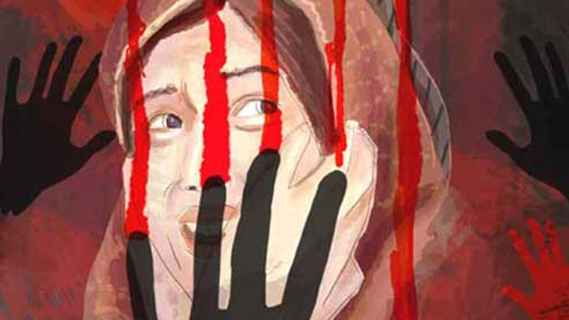
Photo Credit: Photo taken from google images. No strong relation to story
Access to justice is a basic human right but for marginalized groups in Sindh Pakistan this continues to be a far-off dream. Even with a legal structure intended to safeguard all citizens women transgender persons and religious minorities encounter considerable obstacles in obtaining legal remedies because of social stigma biased practices and entrenched corruption as per the (Programme2020) Pakistan has a low ranking on measures of gender equality rule of law and legal empowerment particularly in rural regions such as Sindh. These groups frequently face exclusion from legal protection, making them susceptible to violence, exploitation and violations of their human rights. SDG 16 S (peace, justice, and strong institutions) specifically seeks to foster peaceful and inclusive societies for sustainable development ensure access to justice for everyone and establish effective accountable institutions at every level nevertheless ongoing disparity in legal access underscore clear opposition to this worldwide objective. This blog examines how tackling these inequalities is both a moral obligation and an essential action for meeting the broader goals of SDG16 for marginalized groups in Sindh.
In Sindh, vulnerable groups continue to face difficulties in accessing justice. For example, Sobia Batool Shah, a 22-year-old female from Naushera Feroze was violently assaulted by her father and uncle for wanting a divorce emphasizing-emphasizing entrenched gender-based violence (Boone2024) Likewise, in March 2024 more than 100 Men assaulted transgender people in Karachi Gulistan E Johar highlighting the aggressive discrimination endured by the transgender community. (Correspondent2024) In a similarly distressing incident, Shahnawaz kumbha of Umer Kot was fatally shot in a fabricated police encounter following a wrongful blasphemy charge which was subsequently revealed by a governmental investigation (Desk2024) These instances highlight fundamental shortcomings in safeguarding minority groups although legal changes such as the transgender persons act 2018 are in place their execution is still lacking enhancing legal assistance implementing safeguards and guaranteeing accountability are crucial for achieving SDG-16 peace, justice, and strong institutions.
The persistent violence toward women, transgender persons, and minorities in Sindh underscores the pressing demand for reform in Pakistan’s justice system. Instances like those of Sobia Batool, And Dr Shahnawaz are not unique, they signify wider breakdown of the institution designed to safeguard the vulnerable. Even with existing laws the absence of accountability and cultural acceptance of wrongdoing keeps victims quiet realizing SGD-16 necessitates not just reforming legal frameworks but also fostering trust among communities as professionals in healthcare & social work we need to champion inclusive justice elevate marginalized voices and urge institutions to maintain human rights. Only then can we make certain that Justice is not an exclusive right but a certainty.
- Girl Power
- Human Rights
- Peace & Security
- Gender-based Violence
- First Story
- LGBTQA Rights
- Sexual and Reproductive Rights
- South and Central Asia