
Inclusion Should be a Priority, Not an Afterthought.
Dec 1, 2025
story
Seeking
Encouragement
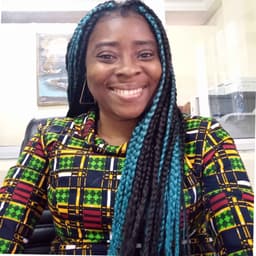

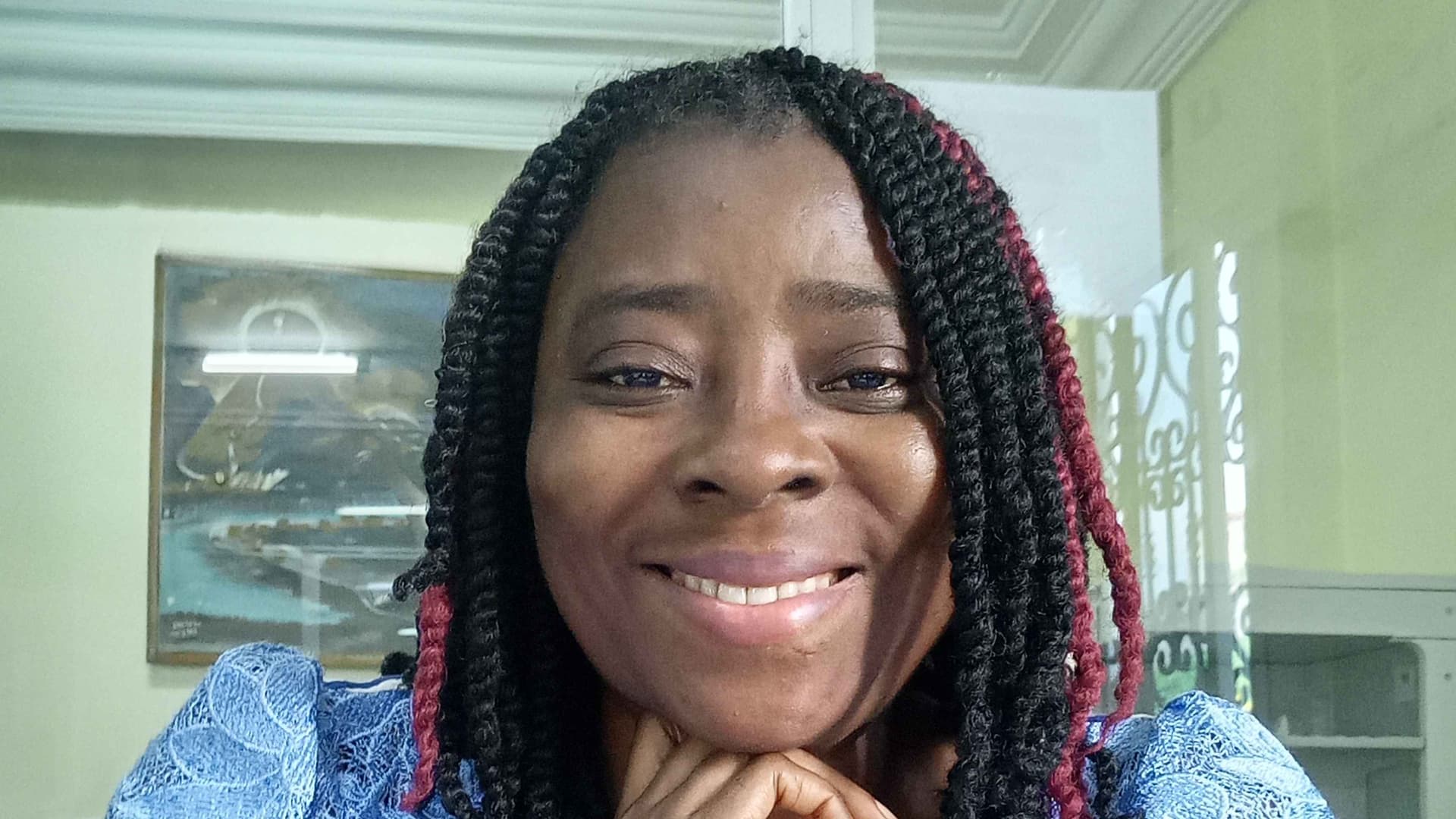
Photo Credit: Self
I am sitting on my office desk, with a smile, hand on my chin, wearing a blue white dress and hair braided in twist with black and a touch of red.
In recent years, I have been invited to quite a few events and each time, I ask this question after scanning through the event program or flyer:
Is your program going to be hearing impaired inclusive?
And the answers are usually always the same: 'Oh sorry we did not think of that'. We will do so next time and that next time is still usually always the same.
Some could even be kind enough to ask: What can we do to make it so?
And then the talks begin... I will say : You need to get a sign language interpreter and you need to be willing to pay for their services.
And the next questions follow : Do you know anyone you can recommend and how much do they charge?
I will reach out to the ones I know, get their availability and payment plan and go back to the organizers, sometimes, link them together to talk and reach an agreement.
Most often than not, they might do the job because of me, but they are not going to be paid what they asked for.
Of course, I understand agreements need to be made to be sure everyone is on the same page but why most of these interpreters do not get their worth is usually not because of these discussions but because of one thing that is constantly ignored:
Many plan their programs without thinking of making it inclusive and when someone with a disability is invited and they ask questions about inclusiveness, that is when the rush begins... inclusion becomes an after thought and not a priority and this isn't how it should be.
We talk a lot about creating inclusive societies and communities but our actions are often a far cry from the reality. Talk is easy and cheap, walking the talk is where the real challenge is.
As thought leaders and change makers, how many of us plan our programs prioritizing inclusion?
I ask these questions and keep asking and this really isn't about me.
It is also about that person who has to roll into a program or tap into a program or bounce around with their crutches into a program . It is that person who will worry if the mic will be loud enough for them to hear what is being discussed in the absence of a sign language interpreter.
Will these people find your program, safe, welcoming and friendly? Will they feel that they belong or they will come, find that they can not even navigate your programs, then go back home and never bother about coming for another program you organize no matter how much they want to be there?
The world celebrates Disability Day on the 3rd of December. While I am grateful for those who listen and make adjustments when I ask, I would be even more happier to see program organizers treat disability Inclusion as a priority, not an afterthought.
Only then could it be said that efforts are being made towards a more inclusive and just future because the world keeps evolving and the future now is inclusive, not exclusive.
Are you making disability inclusion a priority in your organization?
- Human Rights
- Leadership
- Disability Justice
- Africa