
In Pakistan, the gender gap is not just a statistic!
Apr 16, 2026
story
Seeking
Visibility
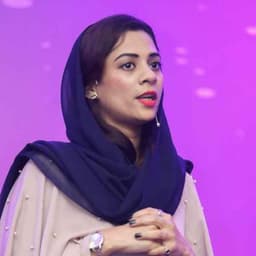

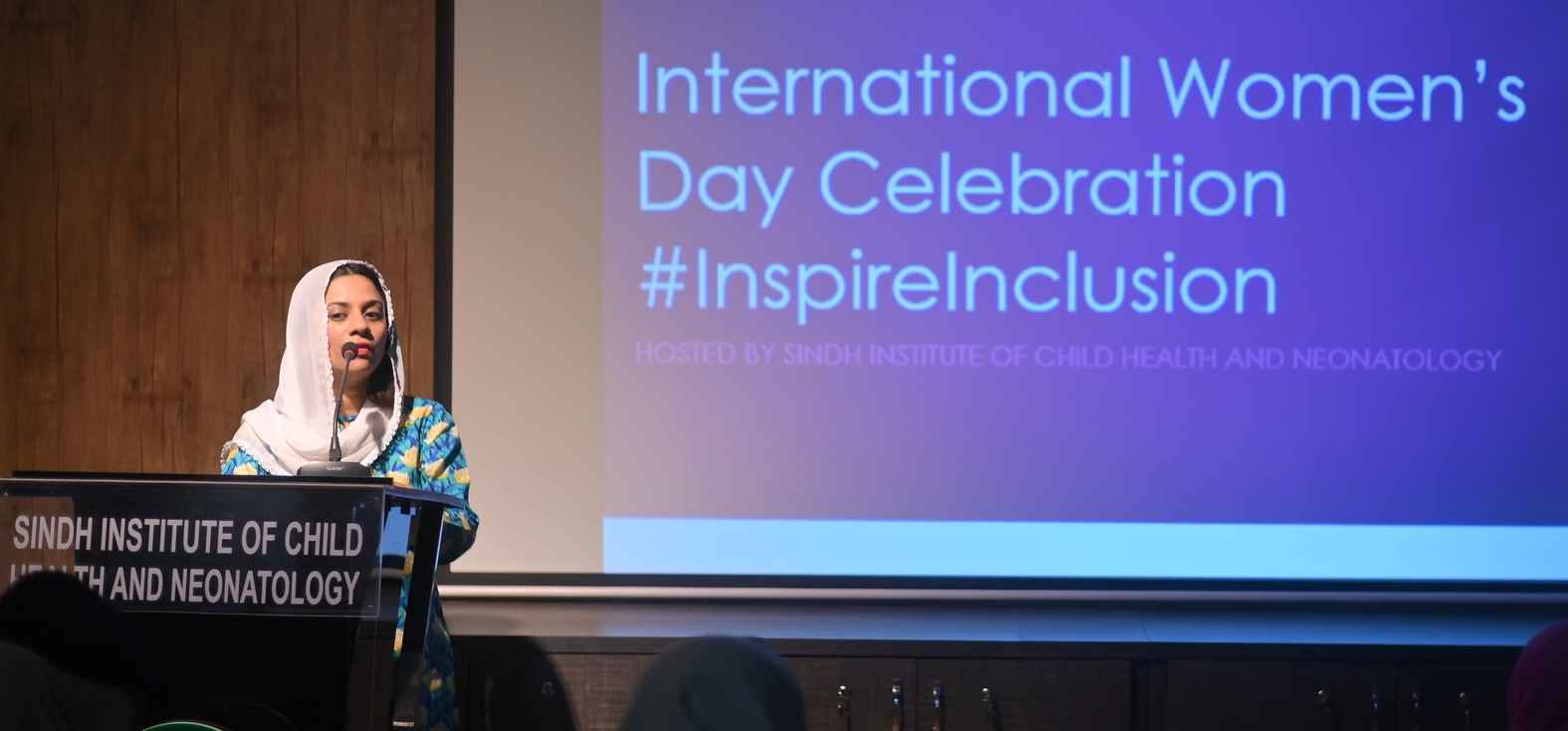
Photo Credit: myself at SICHN women's day
In Pakistan, the gender gap is not just a statistic
There are moments when policy frameworks stop being documents and start becoming direction. For me, exploring the evolution of the European Union’s Gender Action Plans (GAP I–IV) felt exactly like that, a journey from commitment to measurable transformation.
From GAP I’s early focus on mainstreaming gender in development, to GAP II introducing accountability, and GAP III pushing for 85% gender-responsive actions, the trajectory is clear. Gender equality is no longer a side conversation. It is central to sustainable development.
Now, as GAP IV (2026 onwards) takes shape, the conversation becomes even more relevant for regions like South Asia. The emphasis on climate justice, digital inclusion, and the care economy resonates deeply with our realities.
In Pakistan, the gender gap is not just a statistic. It is visible in access to healthcare, education, workforce participation, and even digital connectivity. According to global indices, Pakistan continues to rank among the lower tiers in gender parity, yet the ground tells a more nuanced story. Across Sindh and beyond, I see women leading change in healthcare, education, and community resilience every day.
Working in child health and neonatology, I witness how investing in women directly transforms child survival, early development, and stronger communities. Gender equality, in our context, is not a standalone goal. It is the foundation of public health impact.
As global frameworks like GAP IV evolve, there is a strong opportunity for alignment with local systems, especially in strengthening maternal and child health, early childhood development, and women-led community care models.
Pakistan has the potential to contribute meaningfully to this global agenda, not just as a beneficiary, but as a partner with insights, resilience, and innovation.
The real question is not whether we adopt global frameworks, but how we localize them to create impact where it matters most.#GenderEquality #WomenEmpowerment #EU #SouthAsia #Pakistan #PublicHealth #ECD #GlobalHealth #Leadership
- Global