
building a fortune steps(Part2:Budgeting):
Apr 8, 2024
story
Seeking
Visibility


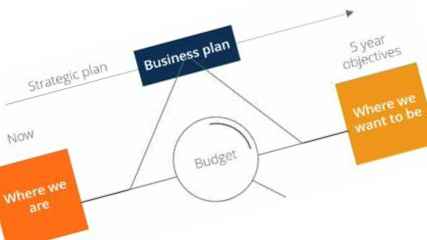
Hi every one ,I miss you a lot .I hope that you are fine. Throught that story i will present the steps of budgeting :
Here are the budgeting steps tailored for everyday individuals:
1. **Calculate Your Monthly Income**: Add up all the money you earn in a month after taxes. This includes your salary, wages, tips, freelance income, or any other sources of regular income.
2. **List Your Expenses**: Write down all your monthly expenses. Include essentials like rent/mortgage, utilities, groceries, transportation, insurance, and debt payments (such as credit card bills or student loans).
3. **Differentiate Between Needs and Wants**: Separate your expenses into two categories: needs and wants. Needs are essential expenses that you must pay to live (like rent and groceries), while wants are non-essential expenses (like dining out or entertainment).
4. **Set Spending Limits**: Decide how much you want to spend in each category based on your income. Make sure your total expenses don't exceed your total income.
5. **Cut Back on Non-Essentials**: Look for areas where you can reduce spending on non-essential items. This could involve eating out less, canceling unused subscriptions, or finding cheaper alternatives for certain expenses.
6. **Save Automatically**: Set up automatic transfers to your savings account each month, even if it's a small amount. Consistent saving adds up over time and helps build your financial security.
7. **Emergency Fund**: Aim to build an emergency fund to cover unexpected expenses, like car repairs or medical bills. Start with a reachable goal, like saving $500 or $1000, and gradually increase it over time.
8. **Track Your Spending**: Keep track of your spending regularly to ensure you're sticking to your budget. This could be done through budgeting apps, spreadsheets, or simply jotting down your expenses in a notebook.
9. **Review and Adjust Regularly**: Review your budget periodically, such as monthly or quarterly. See how you're doing and make adjustments as needed, especially if your income or expenses change.
10. **Stay Flexible**: Understand that unexpected expenses or changes in your financial situation may require adjustments to your budget. Be flexible and willing to adapt as necessary.
By following these steps, we can create a budget that helps us manage their finances effectively, save money, and work towards their financial goals.
- Leadership
- Peace & Security
- Economic Power
- Global