
A story of silence and missed protection
Jan 4, 2026
story
Seeking
Visibility


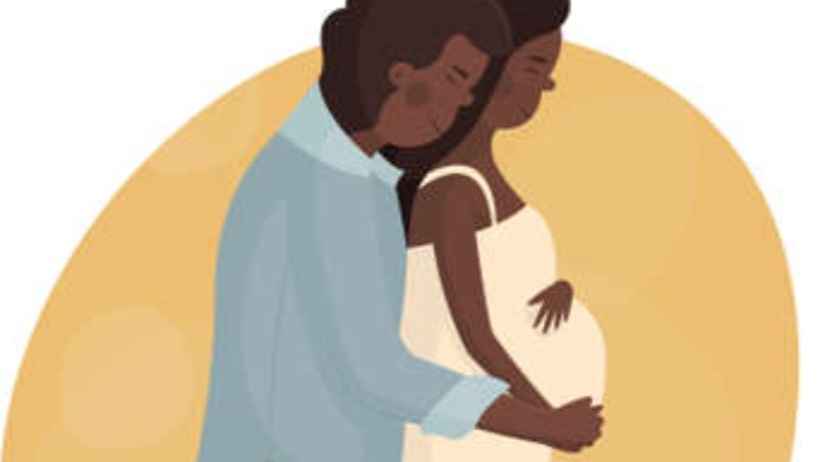
Aisha and Njoroge
Aisha and Njoroge: A Story of Silence and Missed Protection
Aisha was fifteen when she met Njoroge, though “met” is not the right word. They had always known of each other. In the small town where they lived, everyone knew everyone, or at least believed they did. Njoroge was older already out of school, already earning small money from casual jobs. To many, he was just another young man trying to survive. To Aisha, he became something else entirely.
Aisha lived with her aunt after her parents separated. Her home was not violent, but it was quiet in the way that hides things. No one asked how she felt. No one spoke to her about her changing body, her emotions, or her future beyond warnings: “Don’t shame us.” At school, teachers focused on exams and discipline. Questions about relationships or growing up were dismissed as bad behavior. Aisha learned early that silence was safer than curiosity.
Njoroge noticed her during the long walk home from school. He greeted her kindly, sometimes offering to carry her books. He spoke to her like she mattered. He asked about her dreams. No one had done that before. Slowly, conversations became routine, and routine became comfort. For Aisha, this attention felt like protection in a world that often ignored her.
Njoroge, too, was carrying his own burdens. He had grown up watching men define manhood through control and risk. No one had taught him about responsibility, consent, or the power imbalance between him and a schoolgirl. To him, Aisha’s quietness felt like agreement. To Aisha, his confidence felt like love.
What neither of them had was guidance.
Aisha did not fully understand how pregnancy happens. She only knew that people whispered about girls who “spoiled their lives.” Contraception was never discussed openly. Clinics felt intimidating, and asking questions risked punishment or shame. She did not know how to protect herself, and she did not know she had the right to say no without losing affection.
When Aisha discovered she was pregnant, the world shrank around her. Fear sat heavy in her chest. She stopped going to school, unable to face the stares she imagined before they even came. Her aunt cried, not loudly, but with disappointment that felt worse than anger. Njoroge panicked. He promised help, then slowly disappeared under the weight of responsibility he had never been prepared to carry.
Blame came quickly, as it often does. The community blamed Aisha for being careless. Some blamed her aunt for failing to control her. Few asked why a girl so young had been left without information, support, or protection. No one questioned the silence that had surrounded her from childhood.
Aisha blamed herself most of all.
She felt she had failed everyone her family, her teachers, her future self. Yet no one spoke of how the systems around her had failed first. No one spoke of poverty that makes attention feel like safety. No one spoke of cultural taboos that turn education into shame. No one spoke of how girls are expected to carry consequences alone.
Months later, a women’s group visited the area. They spoke openly under a tree, inviting girls and boys to sit together. They talked about growing up, about respect, about choice, about responsibility. They spoke about pregnancy not as a curse, but as a reality that can be prevented with knowledge and support. For the first time, Aisha heard words that made sense of her experience.
She realized her story was not unique.
She learned that underage pregnancy is rarely about recklessness. It is about silence instead of education, poverty instead of protection, attention mistaken for love, and communities that punish girls while excusing systems. It is about boys like Njoroge, who are never taught accountability, and girls like Aisha, who are never taught their worth.
Aisha now dreams differently. Her path is harder, slower, but not over. She wants her child to grow in a world where questions are answered honestly, where girls are protected with information, and where boys are taught respect early. She wants communities to stop asking, “What did she do?” and start asking, “What did we fail to provide?”
Aisha and Njoroge’s story is not about scandal.
It is about prevention.
It is about education.
It is about listening to young people before silence becomes consequence.
And it is a reminder that when a girl gets pregnant underage, the real question is not who to blame—but who did not show up in time.
- Leadership
- Girl Power
- Sexual and Reproductive Rights
- Salud menstrual
- Moments of Hope
- Africa