
PLANTING SEEDS OF EDUCATION AND DIGNITY
Jan 29, 2026
initiative
Seeking
Collaboration

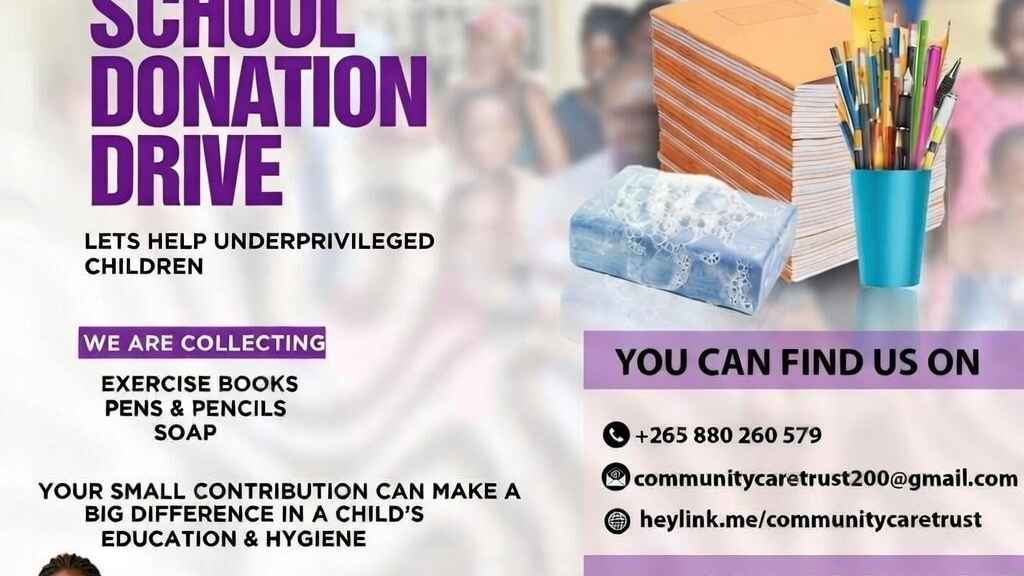
Photo Credit: Photo credit by jalil
Designed by our media personell
In Zapita Village, pervasive poverty directly undermines the fundamental right to education, creating a critical barrier to academic achievement and long-term socioeconomic mobility for its children. This crisis is characterized by a severe shortage of basic learning materials, where students lack essential resources such as textbooks, writing utensils, and uniforms. This deficiency forces learners to share outdated books or go without entirely, severely limiting their ability to complete assignments and engage actively in lessons, thereby hindering the development of foundational literacy and numeracy skills. Concurrently, teachers face significant difficulties in delivering quality instruction without adequate teaching aids, resulting in an impoverished learning environment for all. Furthermore, adolescent girls face a compounded barrier due to the complete lack of access to affordable sanitary products and inadequate Water, Sanitation, and Hygiene (WASH) facilities at school. This not only poses a health risk but also fuels a cycle of educational disadvantage, as girls are forced to miss school for 4-5 days each month to manage their menstruation with dignity. This recurring absenteeism leads to significant learning loss, falling grades, and ultimately, a higher rate of school dropout among girls, perpetuating entrenched gender-based disparities. Without targeted intervention, these interconnected challenges will continue to deny the children of Zapita Village an equitable quality education, trapping them in a cycle of poverty and limiting the human potential of the entire community.
Project Goal
To foster an inclusive, equitable, and quality learning environment in Zapita Village by eliminating resource-based barriers to education, thereby improving academic achievement, reducing dropout rates, and empowering students for long-term success.
Specific Objectives
To Improve Academic Readiness: To provide 100% of identified vulnerable students at Zapita School with essential learning kits (including textbooks, pens, pencils, and notebooks) by the end of the first project quarter, ensuring they have the basic tools to participate in lessons.
To Promote Gender Equity in Education: To reduce absenteeism among adolescent girls by at least 70% within one academic year through the establishment of a sustainable, community-based program for manufacturing and distributing reusable sanitary pads.
To Enhance Health and Hygiene Knowledge: To increase knowledge of menstrual health management and general hygiene practices among 90% of female students and 50% of male students and teachers through targeted educational workshops, reducing stigma and promoting a supportive school environment.
To Build Local Capacity and Sustainability: To train a cohort of at least 10 local community members (primarily women and youth) in pad production and small business management, establishing a viable sewing initiative that can sustain pad distribution beyond the project's initial funding cycle.
Expected Outcomes
Upon successful completion of this project, we anticipate the following outcomes:
Increased School Engagement: Measurable improvement in classroom participation, homework completion, and overall student engagement due to reliable access to learning materials.
Improved Academic Performance: A demonstrable rise in average test scores and a reduction in the number of students failing core subjects.
Reduced Gender Disparity: A significant decrease in the gap in school attendance and dropout rates between male and female students.
Enhanced Student Well-being: Improved self-confidence, dignity, and mental health among students, particularly girls, who will no longer face anxiety over a lack of basic supplies.
Community Empowerment: The development of a skilled, local taskforce capable of managing the pad-making initiative, generating a small income, and advocating for students' needs.
Sustainable Impact: The creation of a self-sustaining model for providing essential educational and hygiene supplies, ensuring long-term benefits for the community.
Key Project Activities
Needs Assessment & Beneficiary Identification: Conduct a survey to identify the most vulnerable students and precisely determine the quantity and type of supplies required.
Procurement and Distribution: Source and distribute high-quality school supply kits to all identified beneficiaries.
Menstrual Health Management Workshop Series: Organize and conduct educational workshops on puberty, menstrual health, hygiene, and breaking related stigmas for students, teachers, and parents.
Sewing Initiative Launch: Establish a sewing center, recruit and train local volunteers in pad production, and provide them with necessary materials (sewing machines, fabric, thread).
Pad Distribution and Monitoring: Implement a system for the discreet and dignified distribution of pads to girls and continuously monitor inventory and quality.
Skills Development Training: Provide basic entrepreneurship and business management training to the sewing group to ensure the initiative's financial viability.
Ongoing Monitoring & Evaluation (M&E): Track key metrics (attendance rates, academic scores, pad production numbers) through regular surveys and data
For sponsorship
communitycaretrust200@gmail.com
Contacts +26588179355 WhatsApp/0994315250
- Arts & Culture
- Environment
- Girl Power
- Education
- Moments of Hope
- Stronger Together
- Global