
Empowering Women through Community-Led Family Planning in Shinyalu (Kenya) and Cameroon
Jan 15, 2026
initiative
Seeking
Visibility
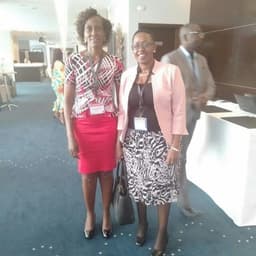
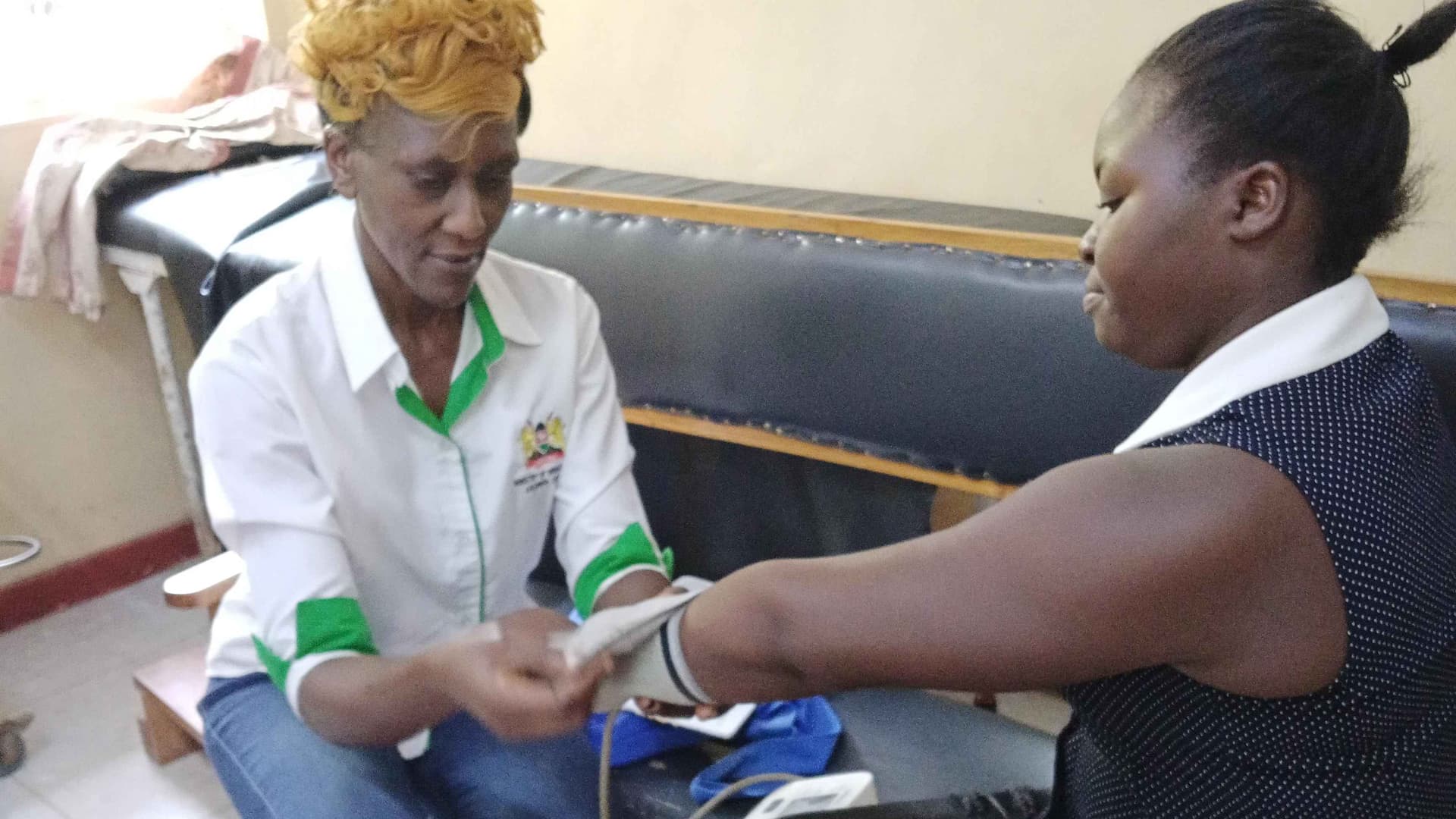
Photo Credit: Kristine Yakhama
In Shinyalu Sub-County (Kenya) and Northwest Cameroon, women and families face significant barriers to family planning, hindering their ability to improve their lives and contribute to community development. Limited access to contraceptives, cultural resistance, misinformation, and conflict-related challenges severely limit women’s reproductive autonomy. Our initiative seeks to address these barriers through a community-centered, women-led approach to family planning education and outreach.
By combining education, outreach, and active stakeholder engagement, this initiative aims to increase access to family planning services, enhance reproductive health knowledge, and empower women to make informed reproductive decisions. Through cross-border collaboration, the project will address pressing needs, contribute to gender equality, and foster sustainable development.
Project Overview
Our goal is to empower women in Shinyalu Sub-County (Kenya) and Northwest Cameroon by providing education, access to services, and strengthening community support for family planning.
Key Components:
Community Education Workshops: Held in both Kenya and Cameroon, the workshops will inform women and families about available family planning options, address myths and misconceptions, and emphasize women’s rights to make reproductive choices.
Mobile & Community-Based Outreach: In Cameroon, mobile clinics will provide family planning services to remote and conflict-affected communities, ensuring that even the most marginalized women can access care.
Partner & Community Engagement: In both regions, dialogue sessions will engage men, community leaders, and influencers to reduce stigma and foster broader community support for family planning.
Documentation & Learning: Regular updates via World Pulse and a final impact report will ensure transparency and facilitate knowledge sharing.
Key Activities and Timeline
Months 1-2: Stakeholder engagement, planning, and baseline data collections.
Months 3-5: Community education workshops, mobile outreach, and community dialogue sessions.
Month 6: Follow-up activities, reflection, and documentation.
Ongoing: Monthly updates shared via World Pulse to track progress and engage stakeholders.
Expected Impact and Outcomes
Increased Knowledge of Family Planning: At least 70% of participants will demonstrate increased knowledge about family planning options and methods.
Improved Reproductive Decision-Making: 60% of women will report increased confidence in making informed reproductive decisions.
Increased Community Support for Family Planning: 50% of participants will report positive changes in community attitudes toward family planning, with active engagement from men and community leaders.
Improved Access to Family Planning Services: 50% of women who attend the workshops will be referred to local health centers for family planning services, with at least 100 contraceptive methods distributed during mobile outreach sessions.
Knowledge Retention: 70% of participants will retain key knowledge from the workshops 3 months after their participants.
Target Beneficiaries
Direct Beneficiaries: 180 women and girls (90 in Kenya, 90 in Cameroon), who will directly participate in workshops, mobile clinics, and dialogues.
Indirect Beneficiaries: 300+ family members and community members who will be indirectly impacted by the shared knowledge and community engagement activities
Why This Initiative Is Important
Access to family planning is fundamental to improving women’s health, economic opportunities, and overall quality of life. This project directly addresses the barriers that prevent women from making informed reproductive choices, thus creating a ripple effect that can benefit entire communities. By empowering women and reducing stigma, we are fostering gender equality, improving maternal and child health, and advancing sustainable development goals.
Collaboration and Roles
Kristine Yakhama (Kenya): Lead coordinator, overseeing workshops in Shinyalu, documentation, and regular reporting.
Honorine Ngenwi Change maker World Pulse (Cameroon) Collaborator: Responsible for coordinating mobile outreach, community engagement in Batibo, Bafut, and Nkwen, and ensuring logistical support.
Both collaborators will work together to jointly plan and implement activities, manage funds, and provide ongoing monitoring and evaluation.
Monitoring and Evaluation
Our project will be closely monitored to ensure its success:
Surveys will be conducted before and after workshops to assess knowledge and confidence levels.
Focus Group Discussions will be used to gauge shifts in community attitudes and measure knowledge retention.
Mobile Clinic Logs will track the number of women accessing family planning services, and data from referrals will be collected to measure uptake.
World Pulse Updates will track community engagement and feedback, ensuring transparency and accountability.
Budget Breakdown (USD 1,250)
Cameroon (USD 500): Mobile clinic transport, outreach logistics, and materials
Kenya (USD 400): Community workshops, facilitation, and educational materials
Documentation & Coordination (USD 250): Monitoring, reporting, communication, and World Pulse updates.
Sustainability and Long-Term Impact
This initiative is designed to have a lasting impact on the communities it serves. Through sustained community education, partnerships with local health facilities, and ongoing dialogue with community leaders, the project will create an enduring foundation for family planning education and services. The lessons learned and the resources created will remain accessible to future generations of women in both Kenya and Cameroon.
Conclusion
This initiative offers a unique opportunity to bridge the gap in family planning knowledge and services for women in Shinyalu Sub-County and Northwest Cameroon. By empowering women through education, outreach, and community dialogue, we are not only improving their reproductive health outcomes but also contributing to broader gender equality and sustainable development goals.
We seek to highlight the importance of women’s leadership in reproductive health and amplify the voices of women who wish to control their reproductive choices. This project will be a stepping stone towards healthier, more empowered women, and more resilient communities.
- Collaboration Stories
- Sexual and Reproductive Rights
- Stronger Together
- Global